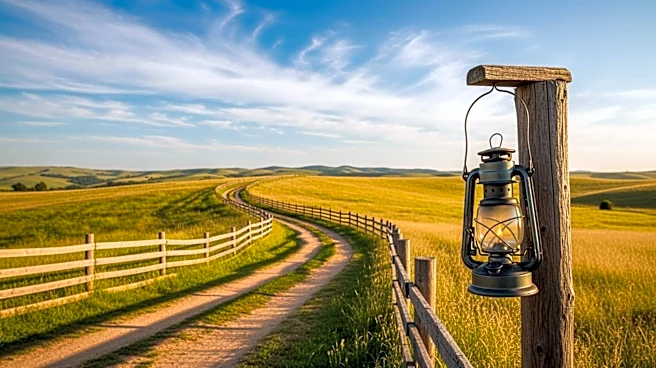









Rural tourism has emerged as a significant form of travel, offering a unique opportunity for individuals to engage with rural lifestyles and environments. This form of tourism allows visitors to experience local agricultural practices, cultural traditions, and the natural beauty of rural areas. Over the years, rural tourism has evolved to become a vital component of local economies, particularly in regions where traditional agricultural profits have
declined.
The Beginnings of Rural Tourism
Rural tourism began gaining traction in the 1970s as a response to the increasing demand for diverse travel experiences. This period marked a shift in tourism trends, with travelers seeking more authentic and immersive experiences. The decline of rural societies and the need for economic revitalization also played a crucial role in the development of rural tourism. By promoting the unique resources and cultural heritage of rural areas, this form of tourism provided a means to rejuvenate local economies and communities.
In countries like Portugal, rural tourism was officially recognized and regulated in the 1980s. The establishment of legal frameworks helped define and categorize different types of rural tourism, such as agrotourism and tourism habitation. These regulations ensured that rural tourism could be developed sustainably, preserving the cultural and natural heritage of the regions involved.
Growth and Impact on Local Economies
The growth of rural tourism has had a profound impact on local economies, particularly in developed nations. In the United States, niche tourism programs such as wine tours and agritourism have become prominent in rural areas, contributing significantly to economic development. These programs not only provide employment opportunities for local residents but also support local businesses and generate revenue for government initiatives.
Rural tourism has also played a crucial role in stabilizing economies in countries like Israel, where declining agricultural profits prompted farmers to seek alternative sources of income. The diversification of rural tourism offerings, from basic accommodations to luxurious lodgings, has attracted a steady stream of domestic tourists, further bolstering the local economy.
The Future of Rural Tourism
As rural tourism continues to evolve, its future looks promising. The increasing interest in sustainable travel and authentic experiences suggests that rural tourism will remain a popular choice for travelers seeking to connect with nature and local cultures. The ongoing development of infrastructure and marketing strategies will likely enhance the appeal of rural tourism destinations, ensuring their continued growth and success.
Moreover, the emphasis on community involvement and sustainable practices will help preserve the cultural and natural heritage of rural areas, making rural tourism a valuable tool for economic and social development. As travelers become more conscious of their impact on the environment and local communities, rural tourism offers a pathway to responsible and meaningful travel experiences.