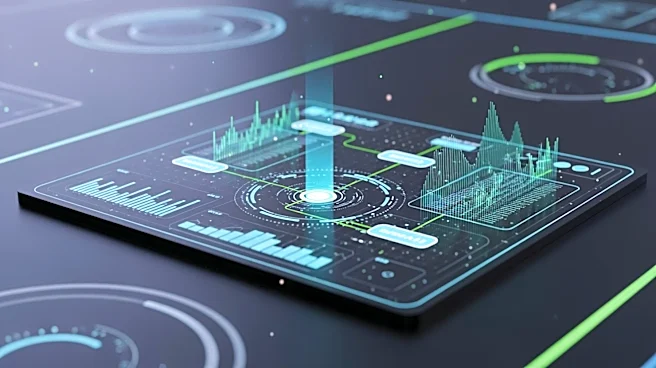





Data acquisition systems play a vital role in various industries, enabling precise monitoring and control of physical phenomena. This article explores the diverse applications and impact of data acquisition systems, highlighting their significance in shaping modern technology and innovation.
Industrial Applications
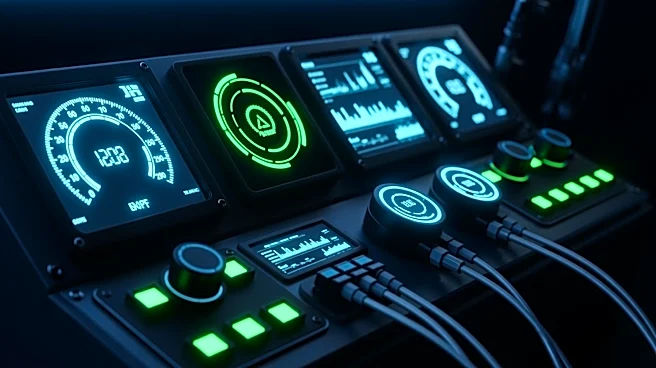
In industrial settings, data acquisition systems are essential for monitoring and controlling processes. They are used to measure parameters such as temperature,
pressure, and fluid flow, ensuring optimal performance and safety. These systems provide real-time data that can be analyzed to improve efficiency and reduce costs.
Data acquisition systems are also used in quality control, where they help detect defects and ensure product consistency. By collecting and analyzing data from production lines, manufacturers can identify areas for improvement and implement changes to enhance product quality.
Scientific Research
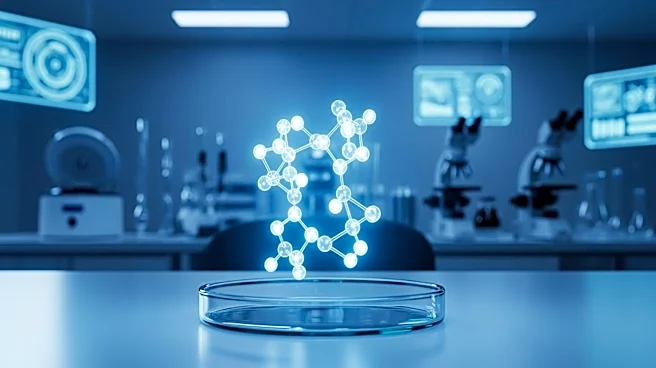
Data acquisition systems are indispensable in scientific research, where precise data collection is crucial for experiments and analysis. Researchers use these systems to measure physical phenomena such as light intensity, vibration, and force, providing valuable insights into the natural world.
Open-source software packages have further enhanced the capabilities of data acquisition systems in research settings. These tools allow for customization and flexibility, enabling researchers to tailor the system to their specific needs. As a result, data acquisition systems have become a cornerstone of scientific innovation, driving advancements in fields such as physics, chemistry, and biology.
Technological Impact
The impact of data acquisition systems extends beyond individual industries, influencing the development of new technologies and innovations. By providing accurate and reliable data, these systems enable the creation of smarter, more efficient solutions that address complex challenges.
Wireless technologies, such as Bluetooth, have expanded the capabilities of data acquisition systems, allowing for real-time data streaming and remote monitoring. This advancement has opened new possibilities for applications in fields such as healthcare, environmental monitoring, and transportation.
Data acquisition systems continue to evolve, driven by technological advancements and the growing demand for precise data collection. As industries and research fields become increasingly reliant on data-driven insights, the applications and impact of data acquisition systems remain crucial in shaping the future of technology and innovation.