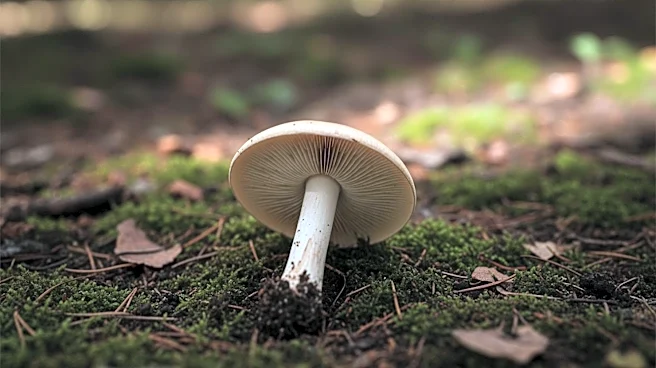







Mushrooms are a unique and intriguing part of the natural world, often recognized for their distinctive cap and stem structure. As fungi, they play a vital role in ecosystems and have a variety of uses, from culinary to medicinal. This article provides an overview of mushrooms, highlighting their characteristics, growth, and significance.
Characteristics of Mushrooms
Mushrooms are the fleshy, spore-bearing fruiting bodies of fungi, typically produced above ground on soil or another
food source. The standard mushroom, known as Agaricus bisporus, features a stem, cap, and gills on the underside of the cap. These gills produce microscopic spores that help the fungus spread across its environment. While the term "mushroom" often refers to gilled fungi, it can also describe other forms, such as boletes, truffles, and puffballs.
Mushrooms vary widely in appearance and function. Some are edible and nutritious, while others are toxic or psychoactive. They can be found in diverse habitats, from forests to grasslands, and play essential roles in decomposition and nutrient cycling. The morphology of mushrooms, including the presence of a universal veil or partial veil, can help in identifying different species.
Growth and Cultivation
Mushrooms grow from underground mycelium and can expand rapidly under favorable conditions. The cultivation of mushrooms is a significant industry, with most supermarket varieties grown on farms. Agaricus bisporus is the most common commercially grown mushroom, available in varieties such as white, crimini, and portobello. Other popular cultivated species include shiitake, maitake, and enoki.
Mushroom cultivation has become an important economic activity, especially in developing countries. China leads global production, with significant contributions from Japan and the United States. The process involves careful control of environmental conditions to ensure healthy growth and high yields.
Uses and Significance
Mushrooms have been valued as food since antiquity, used extensively in cuisines worldwide. They are rich in nutrients, providing essential vitamins and minerals. Some mushrooms, like Agaricus bisporus, are considered safe for most people to eat, while others require careful identification to avoid toxic varieties.
Beyond culinary uses, mushrooms have applications in medicine and industry. Certain species are used in traditional medicine, and ongoing research explores their potential in treating psychological disorders and enhancing health. Mushrooms also contribute to ecological balance, aiding in the decomposition of organic matter and supporting plant growth through symbiotic relationships.
Mushrooms are a fascinating subject, offering insights into the complexity of nature and the interconnectedness of life. Their diverse forms and functions make them an essential part of the natural world and human culture.