




The shoulder shrug is a fundamental exercise in weight training, specifically targeting the upper trapezius muscle. This exercise is simple yet effective, involving the raising and lowering of the shoulders without bending the elbows. While it may seem straightforward, the shoulder shrug plays a crucial role in developing strength and reducing neck pain. This article delves into the form, execution, and benefits of the shoulder shrug, highlighting
its importance in a well-rounded fitness routine.
Form and Execution
Performing a shoulder shrug requires attention to form to maximize its benefits and prevent injury. The lifter stands erect with hands about shoulder width apart, slowly raising the shoulders as high as possible before lowering them. It is essential to keep the elbows straight and avoid any body movement during the exercise. The range of motion may be less than that of a normal shrug done for flexibility, but maintaining a horizontal slope of the shoulders in the elevated position is considered good form.
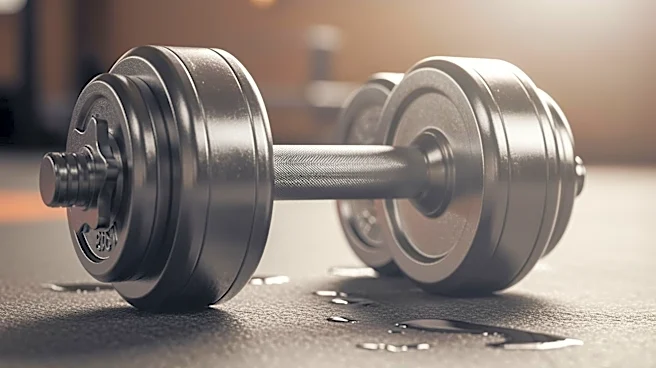
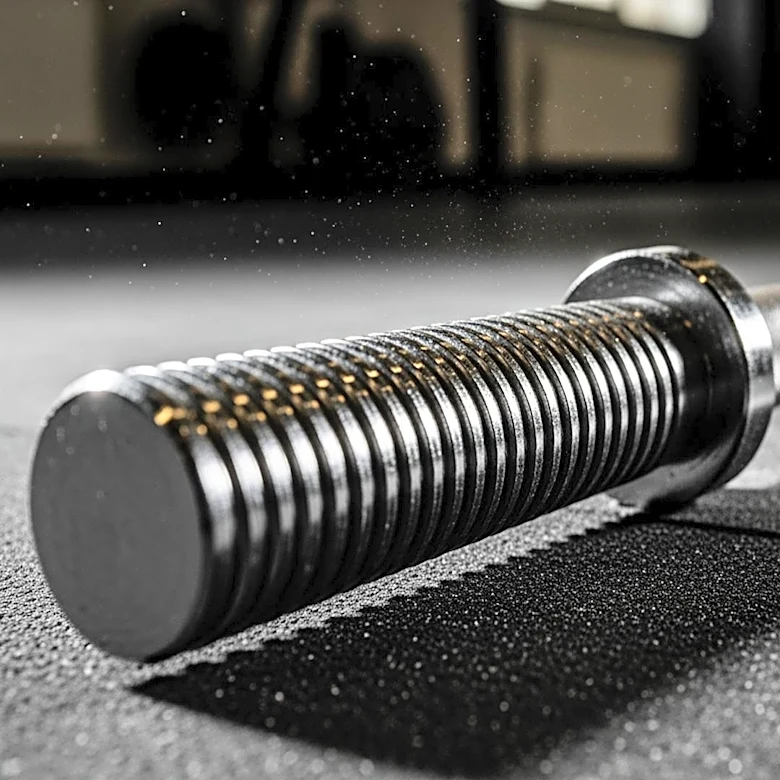
Various equipment can be used to add resistance to the shoulder shrug, including barbells, dumbbells, trap bars, resistance bands, parallel bars, or a Smith machine. The choice of grip—overhand, inside, outside, underhand, or mixed—can also vary. The barbell can be held in front of the thighs or behind, resting on the quadriceps or hamstrings, respectively. Dumbbells or kettlebells can be used together or opposite one another, and a trap bar necessitates an inside grip. Standing calf raise machines can also facilitate the shrugging movement by resting pads on the shoulders.
Benefits of Shoulder Shrugs
The shoulder shrug is not just about building muscle; it offers several health benefits. Strengthening the neck and shoulder muscles through this exercise can help reduce neck pain, a common issue for many individuals. The trapezius muscle, which is the core muscle activated during shoulder shrugs, plays a significant role in maintaining posture and supporting the neck.
Regularly incorporating shoulder shrugs into a workout routine can lead to improved muscle endurance and overall upper body strength. This exercise is particularly beneficial for individuals who spend long hours sitting at a desk, as it helps counteract the effects of poor posture and sedentary habits.
Integrating Shoulder Shrugs into Your Routine
To effectively integrate shoulder shrugs into a fitness regimen, it is important to consider the frequency and intensity of the exercise. Beginners may start with lighter weights and gradually increase resistance as their strength improves. It is advisable to perform shoulder shrugs two to three times a week, allowing for adequate rest and recovery between sessions.
Combining shoulder shrugs with other exercises targeting the upper body can enhance overall muscle development. Pairing them with exercises like rows, pull-ups, and overhead presses can create a balanced workout that addresses multiple muscle groups. As with any exercise, proper form and technique are crucial to prevent injury and achieve the best results.
In conclusion, the shoulder shrug is a valuable exercise for anyone looking to strengthen their upper trapezius muscle and improve neck and shoulder health. By understanding the correct form, execution, and benefits, individuals can effectively incorporate this exercise into their fitness routines and enjoy its positive impact on their physical well-being.