




Stade Chaban-Delmas in Bordeaux, France, is not just a sports venue; it is an architectural marvel. Known for its modernist style and innovative design, the stadium stands out as a significant landmark in the world of sports architecture. This article delves into the unique architectural features that make Stade Chaban-Delmas a remarkable structure.
A Pioneering Design
Stade Chaban-Delmas was the first stadium in the world to feature stands entirely covered without any
supporting pillars. This groundbreaking design was the brainchild of architect Raoul Jourde, who aimed to provide unobstructed views for spectators. The use of concrete in a double cantilever structure allowed for this innovative design, making it a pioneer in stadium architecture.
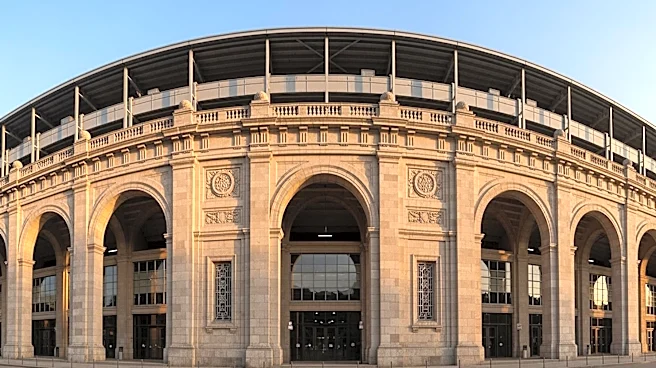
The stadium's construction began in 1933 under the direction of Jourde, who was inspired by the Art Deco style. His vision was to create a stadium that not only served its functional purpose but also stood as a symbol of modernity and architectural advancement. The design included geometric motifs and a large arcade, which added to its aesthetic appeal.
Challenges and Innovations
The construction of Stade Chaban-Delmas was not without its challenges. The ambitious design faced skepticism from the city's architectural committee, leading to multiple expert evaluations. Despite these challenges, Jourde's vision was realized with the help of Italian engineer Egidio Dabbeni, who developed a unique method of pouring concrete into waterproof molds.
This innovative approach allowed the stadium to achieve its iconic look, with thin concrete vaults covering the stands. The design not only provided aesthetic value but also enhanced the spectator experience by eliminating obstructive pillars. This feature set a new standard for stadium design worldwide.
A Historic Landmark
In 2022, Stade Chaban-Delmas was officially recognized as a historic monument, cementing its status as an architectural icon. Its inclusion in the list of historic monuments highlights its significance in the architectural and cultural landscape of Bordeaux.
The stadium's design has influenced numerous other sports venues, showcasing the lasting impact of its innovative architecture. Today, Stade Chaban-Delmas continues to serve as a venue for rugby matches, maintaining its legacy as a pioneering structure in sports architecture.
Stade Chaban-Delmas remains a testament to the power of innovative design and engineering. Its unique architectural features not only provide a functional space for sports but also contribute to its status as a historic and cultural landmark in Bordeaux.