
Lunar phases are a fascinating aspect of astronomy, offering a glimpse into the dynamic relationship between the Earth, Moon, and Sun. These phases, including the new moon, first quarter, full moon, and last quarter, are not only visually captivating but also scientifically significant. Alongside these phases, phenomena such as lunar libration and Earthshine add depth to our understanding of the Moon's behavior.
The Cycle of Lunar Phases
The lunar phases are a result of the
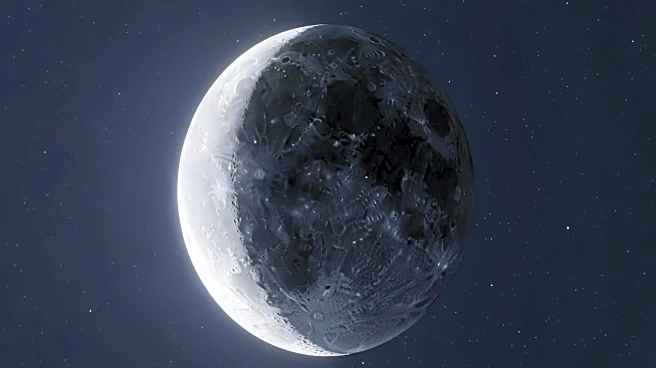
Moon's orbit around Earth, which causes varying portions of its sunlit side to be visible from our planet. The cycle begins with the new moon, when the Moon is positioned between the Earth and Sun, rendering it invisible to the naked eye. As the Moon progresses in its orbit, it enters the first quarter phase, appearing as a half-moon.
The full moon occurs when the Earth is between the Sun and Moon, allowing the entire sunlit side of the Moon to be visible. This phase is particularly striking, as the Moon appears fully illuminated. The cycle concludes with the last quarter, where the Moon again appears as a half-moon, but on the opposite side from the first quarter.
Observational Phenomena: Libration and Earthshine
Lunar libration is a phenomenon that allows observers on Earth to see slightly more than half of the Moon's surface over time. This is due to the Moon's elliptical orbit and axial tilt, which cause it to wobble slightly. As a result, parts of the Moon that are usually hidden become visible, offering a more comprehensive view of its surface.
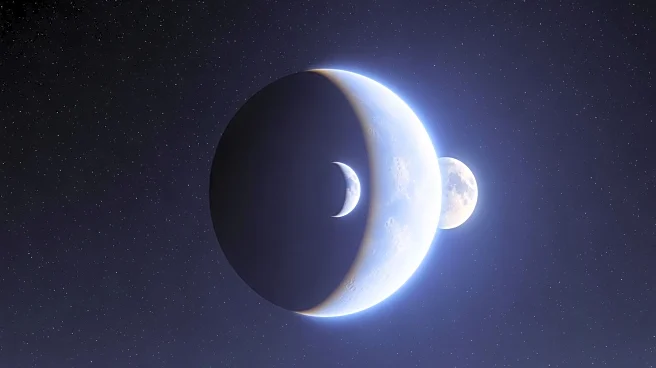
Earthshine is another intriguing phenomenon, occurring when sunlight reflected off Earth's surface illuminates the dark side of the Moon. This subtle glow is most noticeable during the crescent phases, providing a unique opportunity to observe the Moon's surface in a different light.
The Full Moon's Unique Characteristics
While the full moon is a time of complete illumination, it is not ideal for astronomical observations. The absence of shadows on the Moon's surface during this phase makes it difficult to discern details, as the bright sunlight reflected by the Moon outshines many stars.
Despite this, the full moon remains a popular subject for observation and photography, captivating both amateur and professional astronomers. Its brightness and size make it a prominent feature in the night sky, drawing attention and inspiring awe.
Lunar phases and their associated phenomena offer a window into the complex interactions between celestial bodies. From the cycle of phases to the unique effects of libration and Earthshine, these aspects of the Moon provide valuable insights into the workings of our solar system.