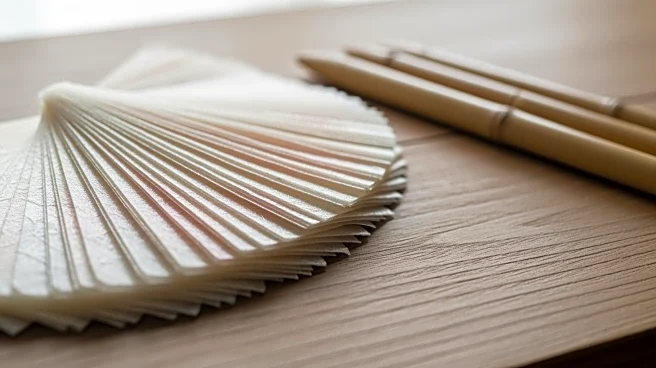




Kiping, a traditional Filipino wafer, is not only a culinary delight but also a testament to the craftsmanship and cultural heritage of Lucban, Quezon. The process of making kiping is intricate and steeped in tradition, involving specific techniques and superstitions that have been passed down through generations. This article explores the detailed craft of making kiping, highlighting the skill and dedication required to produce this unique dessert.
The Process of Making Kiping
The creation of kiping begins with glutinous rice, typically from older harvests, which is soaked for several hours before being ground into a paste. This paste is mixed with water, coarse salt, and food dyes to achieve the desired color and flavor. The mixture is then spread onto leaf molds, commonly from the kabal tree, coffee, or cacao, and steamed for about half an hour.
After steaming, the wafers are air-dried in the shade and carefully peeled off the leaves. They are stacked and weighted down for half a day, then separated and dried again. This process is repeated, ensuring the wafers are properly compressed and dried. The final product is traditionally hung on strings for storage, ready to be used in various culinary and decorative applications.
Superstitions and Traditions
The making of kiping is surrounded by traditional superstitions, one of which is the belief that silence must be observed during preparation to prevent the wafers from cracking. This superstition reflects the cultural significance of kiping, where the process is as important as the final product.
These traditions highlight the community's respect for the craft and the importance of maintaining cultural practices. The meticulous attention to detail and adherence to traditional methods ensure that kiping retains its authentic taste and texture, making it a cherished part of Filipino heritage.
Kiping's Role in Filipino Culture
Kiping is more than just a dessert; it is a cultural symbol celebrated during the Pahiyas Festival in Lucban, Quezon. During this festival, kiping is used to create colorful decorations, showcasing the creativity and artistic skills of the community. These decorations are a form of expression, representing gratitude for a bountiful harvest and the unity of the community.
The festival highlights kiping's dual role as both a culinary treat and a decorative art form, emphasizing its importance in Filipino culture. Through the traditional craft of making kiping, the people of Lucban preserve their cultural heritage, passing down skills and traditions to future generations.