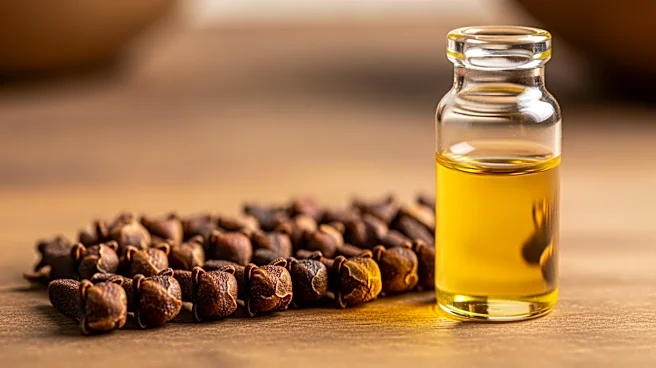








Clove oil, extracted from the clove plant Syzygium aromaticum, is a widely used essential oil with significant production in Madagascar and Indonesia. These regions are known for their favorable climates and soil conditions, which contribute to the high-quality clove oil they produce. This article explores the production of clove oil and the different types available, each with unique characteristics.
Major Production Regions
Madagascar and Indonesia are the leading producers
of clove oil, supplying the global market with this valuable commodity. The clove plant thrives in these regions due to the tropical climate, which provides the ideal environment for growth. The production process involves harvesting the flower buds of the clove plant, which are then dried and distilled to extract the essential oil.
The economic impact of clove oil production in these regions is significant, providing employment opportunities and contributing to the local economy. The demand for clove oil in various industries, including aromatherapy and food flavoring, ensures a steady market for producers in Madagascar and Indonesia.
Types of Clove Oil
There are three main types of clove oil: bud oil, leaf oil, and stem oil, each derived from different parts of the clove plant. Bud oil is extracted from the flower buds and contains 60-90% eugenol, along with eugenol acetate and caryophyllene. This type of oil is known for its strong aroma and is commonly used in aromatherapy and flavoring.
Leaf oil, derived from the leaves of the clove plant, consists of 70-82% eugenol and smaller amounts of beta caryophyllene and alpha humulene. Leaf oil is often used in medicinal applications due to its high eugenol content, which is believed to have analgesic properties.
Stem oil, extracted from the twigs of the clove plant, contains 85-92% eugenol and is similar in olfactive and flavor profile to bud oil. Stem oil is used in various applications, including food flavoring and aromatherapy, due to its potent aroma and flavor.
Conclusion
The production and types of clove oil highlight the versatility and importance of this essential oil in various industries. With major production in Madagascar and Indonesia, clove oil continues to be a valuable commodity, offering diverse applications in aromatherapy, cooking, and alternative medicine. Understanding the different types of clove oil allows consumers to choose the best option for their specific needs, whether for flavoring, therapeutic use, or cultural practices.