


The baseball, a seemingly simple object, is a marvel of design and physics. Its construction and the materials used play a crucial role in the dynamics of the game. From the stitching to the core, every element of a baseball is meticulously crafted to ensure optimal performance. Understanding the science behind the baseball provides insight into how it influences the game.
Construction and Materials
A regulation baseball consists of a rubber or cork center, wrapped in yarn,
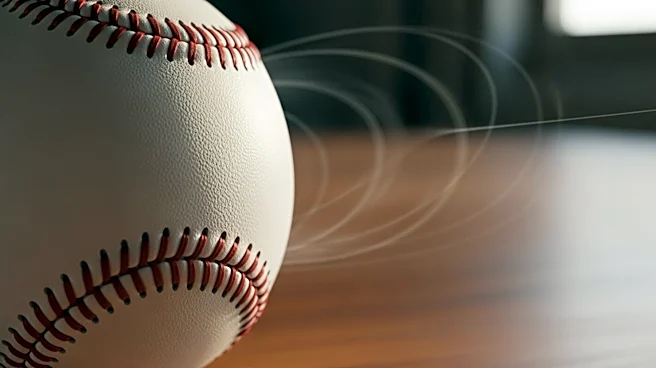
and covered with white natural horsehide or cowhide, or a synthetic composite leather. The circumference of a baseball is between 9 to 9.25 inches, with a diameter of 2.86 to 2.94 inches, and it weighs between 5 to 5.25 ounces. The leather cover is typically formed from two saddle-shaped pieces stitched together with red-dyed thread, featuring 108 stitches.
The materials used in a baseball are carefully selected to achieve the desired balance of durability and performance. The core, made of rubber or cork, provides the necessary resilience, while the yarn wrapping adds structure and weight. The leather cover not only protects the ball but also affects its aerodynamics and grip.
Aerodynamics and Pitching
The stitching on a baseball plays a significant role in its trajectory. The interaction between the stitches and the air creates drag, which can influence the ball's movement. Pitchers can manipulate the orientation of the stitches and the speed of the ball's rotation to achieve different pitches, such as curveballs, sliders, and fastballs.
The height of the seams also affects how well a pitcher can control the ball. Higher seams can increase the ball's movement, making it more challenging for batters to hit. The introduction of a lower stitching seam profile in recent years has been linked to an increase in home runs, as it reduces drag and allows the ball to travel further.
Manufacturing and Quality Control
The official major league baseball is manufactured by Rawlings in Costa Rica, using raw materials imported from the United States. Despite attempts to automate the manufacturing process, the production of baseballs remains largely a manual process, ensuring each ball meets strict quality standards.
Before each game, professional-grade baseballs are rubbed with a special mud to improve grip, as they are slick and hard. This preparation is crucial for pitchers to maintain control and prevent the ball from slipping during play.
The science behind the baseball is a testament to the intricate balance of design and physics that makes the sport so captivating. Each element of the baseball contributes to the game's dynamics, influencing how it is played and experienced by players and fans alike.