



The Colorado Desert, a subregion of the Sonoran Desert, faces a range of environmental challenges that threaten its unique ecosystems. From water scarcity to human development, these issues have significant impacts on the desert's flora, fauna, and habitats. Understanding these challenges is crucial for preserving the delicate balance of this arid landscape.
Water Scarcity and Its Impact
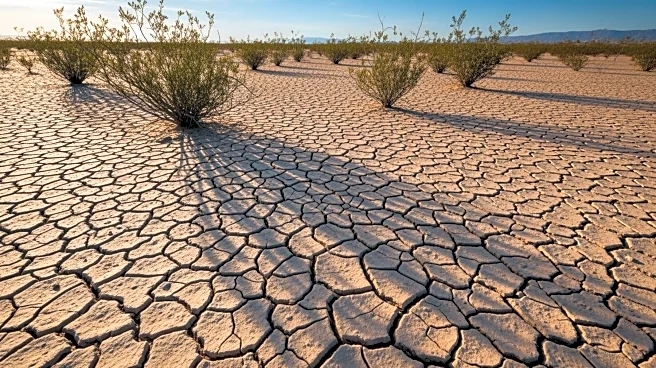
Water scarcity is one of the most pressing environmental challenges in the Colorado Desert.
The region's arid climate and limited water resources make it particularly vulnerable to changes in water availability. The Colorado River and the Salton Sea are two of the most significant aquatic systems in the desert, providing essential water sources for wildlife and vegetation.
However, human activities such as water diversions and flood control measures have dramatically altered the region's hydrology. These changes have redistributed water supplies to support agriculture and metropolitan areas, impacting the natural ecosystems. The scarcity of water resources has substantial effects on regional wildlife and habitats, particularly for species that rely on aquatic environments.
Human Development and Habitat Loss
Human development poses another significant threat to the Colorado Desert's ecosystems. The region is one of the least-populous areas in California, but development pressures are increasing, especially in the Coachella Valley. Urban expansion and agricultural activities can lead to habitat loss and fragmentation, affecting the desert's unique communities.
Aquatic and dune systems are particularly vulnerable to human disturbances. These habitats are limited in distribution and separated by vast expanses of inhospitable desert terrain. Even minor disturbances can have significant impacts on the endemic and sensitive species that depend on these unique systems.
Conservation Efforts and Future Challenges
Conservation efforts are essential to address the environmental challenges facing the Colorado Desert. Protecting water resources and managing human development are critical components of these efforts. Initiatives to preserve the desert's unique habitats and species are vital for maintaining the region's biodiversity.
Future challenges include balancing the needs of human populations with the preservation of natural ecosystems. As development pressures continue to grow, finding sustainable solutions that protect the desert's environment while supporting economic growth will be crucial. Collaborative efforts between government agencies, conservation organizations, and local communities are necessary to ensure the long-term health of the Colorado Desert.
The environmental challenges of the Colorado Desert highlight the complex interplay between natural ecosystems and human activities. Addressing these issues requires a comprehensive understanding of the region's unique characteristics and a commitment to sustainable management practices.