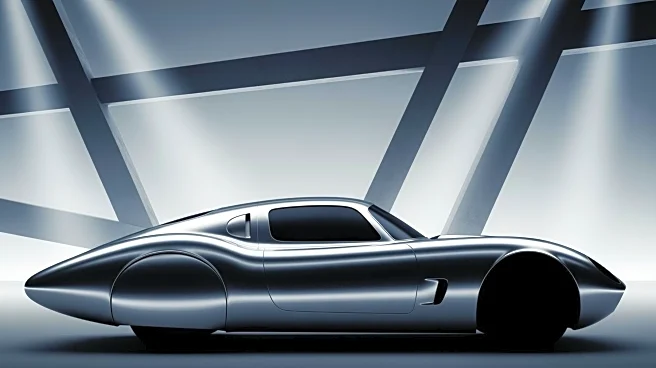




The Opel Kadett stands as a testament to German engineering prowess, embodying the values of efficiency, reliability, and innovation. Produced by Opel from 1936 to 1991, the Kadett became more than just a car; it was a cultural icon that represented the evolution of automotive design and technology. This article explores the cultural and symbolic significance of the Opel Kadett, highlighting its impact on German society and its legacy in the automotive world.
A Cultural Icon in Germany
The Opel Kadett was introduced during a time of economic growth in Germany, offering an affordable and practical vehicle for the masses. Its unpretentious design and competitive pricing made it accessible to a wide range of consumers, earning it the image of a car for the people. The Kadett's success in the market was a reflection of the changing attitudes towards car ownership, as more Germans sought reliable transportation to match their aspirations.
Throughout its production years, the Kadett became synonymous with German engineering excellence. Its innovative design choices, such as the unibody construction and advanced suspension systems, showcased Opel's commitment to quality and performance. The Kadett's popularity in Germany was further cemented by its status as the top-selling small car in the country during the late 1930s.
International Influence and Legacy
The Opel Kadett's impact extended beyond Germany, influencing automotive design and production in other countries. After World War II, the Soviet Union acquired the tooling from Opel's Rüsselsheim plant, leading to the production of the Moskvitch 400, a car based on the Kadett's design. This move highlighted the Kadett's role in shaping automotive trends globally, as its design was adapted and replicated in different markets.
The Kadett's legacy continued with its successor, the Opel Astra, which carried forward the values of efficiency and innovation. The Astra's introduction marked a new chapter in Opel's history, building on the foundation laid by the Kadett. The Kadett's influence can also be seen in the convergence of Opel and Vauxhall models, as the two brands shared design elements and technologies.
The Kadett's Enduring Symbolism
The Opel Kadett remains a symbol of German engineering, representing the country's ability to adapt and innovate in the face of changing market demands. Its journey from a modest family car to a cultural icon reflects the dynamic nature of the automotive industry and the enduring appeal of German craftsmanship.
As the Kadett's legacy lives on through the Astra and other models, it continues to inspire new generations of automotive enthusiasts and engineers. The Kadett's story is a reminder of the power of innovation and the impact of thoughtful design on society and culture.