






In association football, own goals are moments of unintended consequence that can dramatically shift the dynamics of a match. While they are often seen as unfortunate errors, own goals can have significant strategic and psychological effects on both the scoring and opposing teams. This article explores these impacts and how teams respond to such situations.
Strategic Consequences
Strategically, an own goal can alter the course of a match by changing the scoreline in favor
of the opposing team. This unexpected shift can force the scoring team to adjust their tactics, often leading to a more aggressive offensive approach to compensate for the deficit. Conversely, the team benefiting from the own goal may choose to adopt a more defensive strategy to protect their newfound advantage.
The occurrence of an own goal can also influence the momentum of a game. Teams that score an own goal may experience a temporary loss of morale, which can affect their performance. On the other hand, the opposing team may gain a psychological boost, increasing their confidence and energy levels.
Psychological Effects
The psychological impact of scoring an own goal is profound. Players who inadvertently score against their own team often experience feelings of guilt and embarrassment, which can affect their focus and performance for the remainder of the match. The stigma associated with own goals can also have long-term effects on a player's mental health and career.
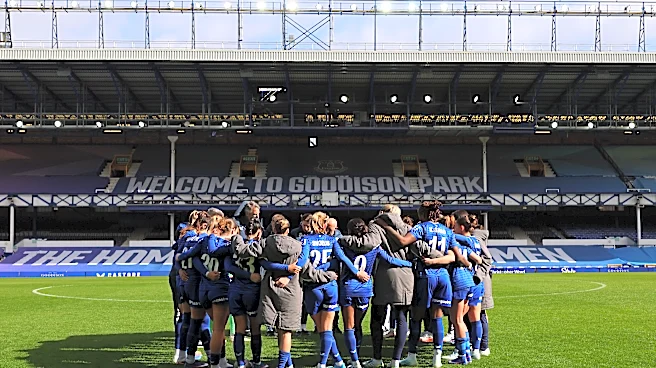
For the team, an own goal can lead to internal tension and blame, disrupting team cohesion. Coaches and team leaders play a crucial role in managing these situations, providing support and encouragement to affected players to help them regain confidence and composure.
Coping Mechanisms and Recovery
Teams employ various coping mechanisms to recover from the setback of an own goal. These include tactical adjustments, motivational speeches, and increased focus on teamwork and communication. The ability to bounce back from an own goal is a testament to a team's resilience and mental fortitude.
In some cases, own goals can serve as valuable learning experiences, prompting teams to refine their defensive strategies and improve communication on the field. By analyzing the circumstances leading to an own goal, teams can identify weaknesses and implement measures to prevent similar occurrences in the future.
Overall, while own goals are often viewed negatively, they are an integral part of football that tests the strategic and psychological resilience of players and teams. Understanding and addressing the impacts of own goals can lead to growth and improvement, both individually and collectively.