



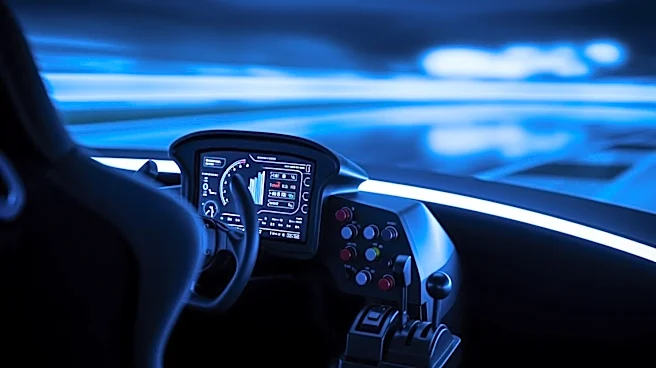
Push-to-pass systems have become a crucial strategic tool in modern auto racing, allowing drivers to gain temporary power boosts to enhance their competitive edge. This feature, typically activated via a button on the steering wheel, is designed to make overtaking easier and races more thrilling.
Enhancing Overtaking Opportunities
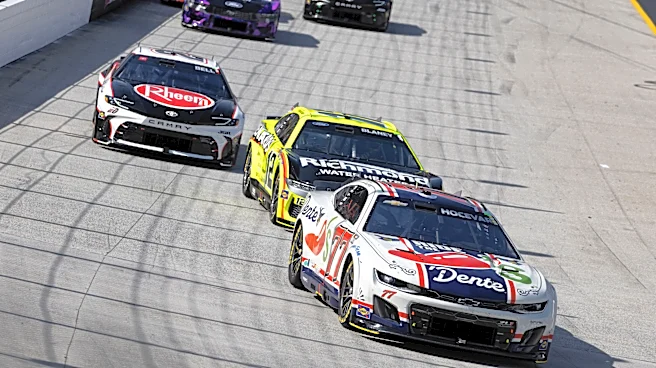
The primary purpose of push-to-pass systems is to facilitate overtaking, a critical aspect of racing that can determine the outcome of a race. By providing
drivers with a temporary increase in power, these systems enable them to make decisive moves on their competitors. This is particularly useful in situations where a driver is closely trailing another and needs an extra burst of speed to pass.
In series like IndyCar, drivers are allocated a set amount of push-to-pass time per race, which they can use strategically to attempt passes or defend their position. The ability to activate this power boost at crucial moments adds a layer of strategy to the race, as drivers must decide when to use their limited allocation for maximum impact.
Defensive Maneuvers and Lap Time Reduction
Push-to-pass systems are not only used for overtaking but also for defensive maneuvers. When a driver is being pursued by a competitor, activating the system can provide the necessary speed to maintain their position and fend off challenges. This defensive use of push-to-pass adds another dimension to race strategy, as drivers must balance their offensive and defensive needs throughout the race.
Additionally, drivers can use push-to-pass to reduce lap times, particularly during qualifying sessions or when attempting an undercut or overcut during pit stops. By strategically deploying the power boost, drivers can gain valuable seconds that may prove crucial in the overall race standings.
Series-Specific Strategies
Different racing series have unique implementations of push-to-pass systems, each offering distinct strategic opportunities. For example, Super Formula's Overtake System includes a mandatory cooldown period between uses, requiring drivers to plan their activations carefully. Formula Regional EU limits the number of button presses per race, adding another layer of strategy as drivers must decide when to use their limited activations.
These series-specific strategies highlight the versatility of push-to-pass systems and their impact on race dynamics. As drivers continue to refine their use of these systems, the strategic element of racing will only become more complex and engaging.
Push-to-pass systems have transformed the strategic landscape of auto racing, offering drivers new ways to compete and succeed. As technology continues to advance, these systems will likely play an even more significant role in shaping race outcomes and enhancing the excitement of the sport.