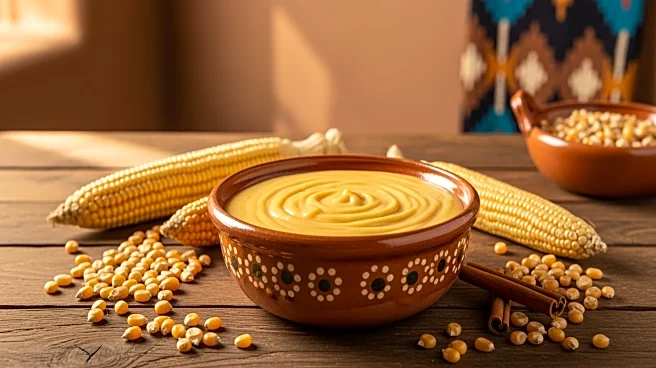




Panocha is a unique culinary tradition deeply rooted in the cultural fabric of New Mexico and southern Colorado. This pudding, made from ground sprouted wheat flour and piloncillo, is traditionally consumed during Lent, reflecting its significance in local customs and religious practices. The term 'panocha' also refers to the sprouted-wheat flour used in its preparation, highlighting the integral role of this ingredient in the dish.
The Ingredients and Preparation
The main ingredients
of panocha pudding are ground sprouted wheat flour and piloncillo, a type of unrefined sugar. The use of sprouted wheat flour, known locally as 'panocha flour,' is essential to the dish, providing a distinct texture and flavor that sets it apart from other puddings. Piloncillo, with its rich, molasses-like taste, complements the wheat flour, creating a sweet and hearty pudding.
Traditionally, panocha is prepared by mixing the sprouted wheat flour with water and piloncillo, then cooking the mixture until it thickens into a pudding-like consistency. This process requires careful attention to ensure the pudding achieves the desired texture and flavor. The preparation of panocha is often a communal activity, bringing families together to share in the creation of this beloved dish.
Cultural Significance During Lent
Panocha holds a special place in the cultural and religious practices of New Mexico and southern Colorado, particularly during Lent. This period of fasting and reflection in the Christian calendar is marked by the consumption of simple, wholesome foods, and panocha fits this tradition perfectly. Its rich, sweet flavor provides comfort and sustenance, making it a popular choice for those observing Lent.
The tradition of eating panocha during Lent underscores its importance in local customs, serving as a reminder of the region's cultural heritage. Families often pass down recipes and techniques for making panocha, ensuring that this culinary tradition continues to thrive.
Variations and Regional Differences
While panocha is most commonly associated with New Mexico and southern Colorado, variations of the dish can be found in other regions. In the Philippines, for example, 'panocha' refers to a type of jaggery made in coconut shells, showcasing the diverse interpretations of the term across different cultures.
These regional differences highlight the adaptability of panocha, allowing it to be enjoyed in various forms around the world. Despite these variations, the core elements of panocha—its use of sprouted wheat flour and piloncillo—remain consistent, preserving the dish's unique identity.
Panocha pudding is more than just a dessert; it is a symbol of cultural heritage and communal tradition. Its preparation and consumption during Lent reflect the values and customs of the region, ensuring that this beloved dish continues to be a staple in New Mexican cuisine.