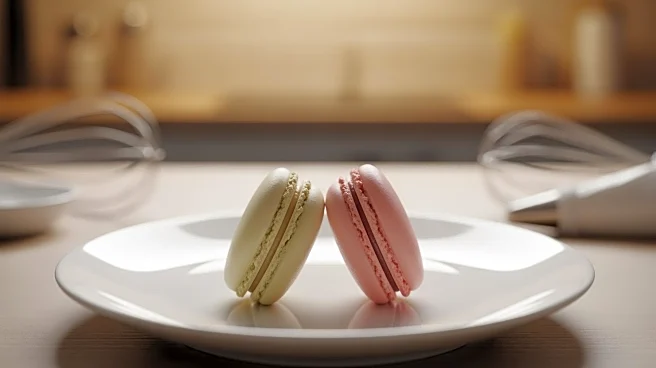



Macarons are a beloved confection known for their delicate texture and vibrant flavors. The art of making macarons involves precise techniques and a deep understanding of the ingredients. From the traditional French method to regional variations, the process of creating macarons is a fascinating journey into the world of patisserie.
French and Italian Techniques
The preparation of macarons can be approached through two main methods: the French and Italian meringue techniques. In
the French method, egg whites are whisked until stiff peaks form, and then sifted ground almonds and powdered sugar are folded in slowly. This process, known as macaronage, requires careful attention to achieve the desired consistency.
The Italian method involves whisking egg whites with hot sugar syrup to form a meringue. Separately, sifted almonds and icing sugar are mixed with raw egg whites to create a paste. The meringue and almond paste are then combined to form the macaron mixture. This method is often considered more structurally sound and requires a candy thermometer for the sugar syrup.
Regional Variations
Macarons have inspired a variety of regional adaptations, each adding its unique twist to the classic treat. In France, several cities and regions claim their own versions, such as the Macarons d'Amiens, which are small, round-shaped biscuits made from almond paste, fruit, and honey.
In Switzerland, Luxemburgerli are a brand name of macaron made by Confiserie Sprüngli in Zürich. These macarons are smaller and lighter than those from other vendors, featuring a buttercream filling in various flavors. The Luxemburgerli's distinct characteristics highlight the diversity within the macaron family.
Modern Innovations
The macaron's versatility has led to modern innovations in flavor and presentation. In the United States, pastry chefs have expanded the classic cookie to include flavors like peanut butter and jelly, Snickers, and salted caramel popcorn. These creative adaptations showcase the macaron's ability to evolve with changing tastes.
In South Korea, a variation known as fat-carons or ttungcarons has gained popularity. These macarons are intentionally overfilled and decorated, resembling small ice cream sandwiches. The appearance and presentation of fat-carons reflect the playful and innovative spirit of modern macaron making.
The art of macaron making is a testament to the creativity and skill of bakers worldwide. Whether through traditional techniques or modern variations, the macaron continues to captivate dessert enthusiasts with its delicate texture and diverse flavors.