








Slow cookers, often referred to as Crock-Pots, are a staple in many kitchens due to their convenience and ability to produce flavorful meals. But what makes these appliances so effective? This article explores the mechanics behind slow cookers, shedding light on their design and operation.
The Design of a Slow Cooker
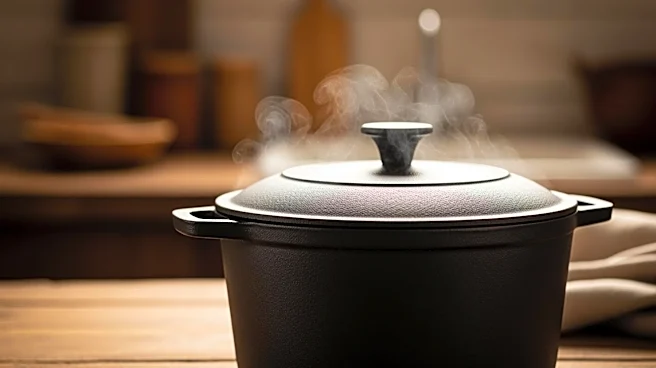
At the heart of a slow cooker is its simple yet effective design. A typical slow cooker consists of a lidded cooking pot, often made of glazed ceramic or porcelain,
surrounded by a metal housing that contains an electric heating element. The ceramic pot, or "crock," serves as both a cooking container and a thermal reservoir, retaining heat efficiently.
The lid, usually made of glass, fits snugly into a groove on the pot's edge. This design allows condensed vapor to collect in the groove, creating a low-pressure seal that helps maintain a consistent temperature inside the pot. Unlike pressure cookers, slow cookers operate at atmospheric pressure, eliminating the risk of abrupt pressure release.
How Slow Cookers Operate
The operation of a slow cooker is straightforward. Raw food and a liquid, such as water or broth, are placed in the pot. The lid is secured, and the cooker is turned on. The heating element gradually raises the temperature of the contents to a steady range between 174 and 199 °F. This low and slow cooking process allows flavors to meld and tough cuts of meat to become tender.
The slow cooker's lid plays a crucial role in preventing heat and moisture from escaping. As the contents heat up, vapor condenses on the lid and drips back into the pot, ensuring that the food remains moist and flavorful. This process also helps retain water-soluble vitamins that might otherwise be lost.
Modern Features and Safety
Many modern slow cookers come equipped with advanced features such as digital timers, multiple heat settings, and even smartphone connectivity. These innovations allow for precise temperature control and the ability to program cooking times, enhancing the appliance's versatility.
Safety is another key advantage of slow cookers. Their lower operating temperatures and closed lids reduce the risk of burns and fires compared to traditional ovens or stovetops. However, caution is still necessary, as the contents can reach temperatures close to boiling.
In conclusion, the slow cooker's design and operation make it an invaluable tool for home cooks. Its ability to produce delicious, tender meals with minimal effort continues to make it a popular choice in kitchens around the world.