





Venice Beach, a neighborhood in Los Angeles, California, has undergone significant transformations since its founding. Originally established as a seaside resort town, it has evolved into a vibrant cultural hub known for its unique blend of art, fitness, and community life. This article explores the historical development of Venice Beach, highlighting key milestones and changes that have shaped its identity.
Founding and Early Development
Venice Beach was founded in 1905 by Abbot
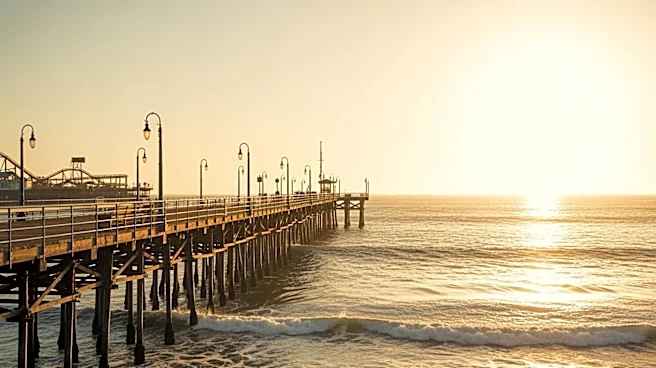
Kinney, who envisioned it as a "Venice of America." Kinney's vision included canals, a pier, and a business street with Venetian architecture. The area quickly became a popular tourist destination, attracting visitors with its beach, amusement pier, and unique attractions. By 1910, the population had grown significantly, and the town drew thousands of tourists on weekends.
The early years of Venice Beach were marked by rapid development and a focus on entertainment. The amusement pier featured various rides and attractions, including roller coasters and a dance hall. Kinney's governance kept the town thriving, but after his death in 1920, Venice faced challenges in maintaining its infrastructure and attractions.
Annexation and Mid-20th Century Changes
In 1926, Venice was annexed by the city of Los Angeles, leading to significant changes in its governance and development. The annexation brought improvements to roads and infrastructure, but also led to the closure of some amusement piers. The discovery of oil in 1929 provided a temporary economic boost, but the Great Depression soon followed, impacting the community.
During the mid-20th century, Venice Beach experienced neglect from the city, leading to its reputation as the "Slum by the Sea." Despite this, the area attracted a diverse community of artists, immigrants, and counterculture figures. The unique character of Venice Beach began to take shape, with its eclectic mix of residents and cultural influences.
Modern Venice Beach: A Cultural Hub
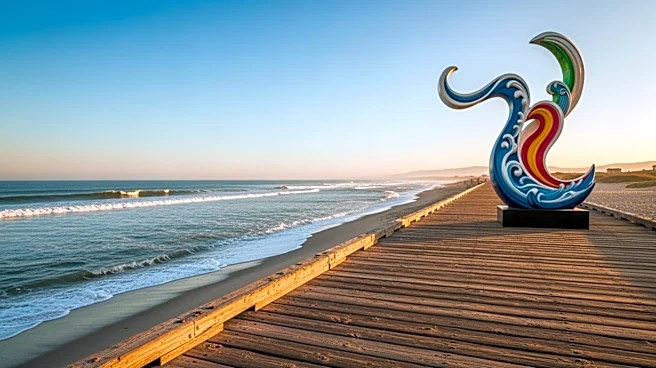
Today, Venice Beach is known for its vibrant cultural scene, attracting millions of visitors each year. The area is famous for its boardwalk, Muscle Beach, and street performers. The basketball courts are renowned for their high level of streetball, and the neighborhood hosts various cultural events and festivals.
Venice Beach continues to evolve, balancing its historical roots with modern influences. The upcoming 2028 Summer Olympics will see Venice Beach hosting triathlon events, further cementing its status as a key location in Los Angeles. As Venice Beach moves forward, it remains a unique and dynamic part of the city's landscape, celebrated for its creativity and diversity.