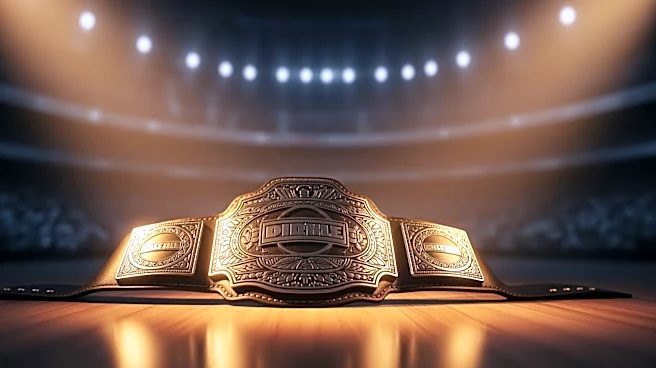



WrestleMania, the flagship event of World Wrestling Entertainment (WWE), has grown from a single-day spectacle to a multi-day extravaganza that captivates audiences worldwide. Since its inception in 1985, WrestleMania has become the most successful annual professional wrestling event in history, transforming the landscape of the sport and entertainment industry. This article explores the evolution of WrestleMania, highlighting key milestones and changes
that have shaped its journey.
The Early Years: Establishing a Legacy
The first WrestleMania took place on March 31, 1985, at Madison Square Garden in New York City. Conceived by WWE executive chairman Vince McMahon and named by ring announcer Howard Finkel, the event was a gamble that paid off, securing WWE's status as the leading professional wrestling promotion in the United States. The main event featured WWF World Heavyweight Champion Hulk Hogan and Mr. T against Roddy Piper and Paul Orndorff, drawing significant attention and setting the stage for future success.
WrestleMania II, held in 1986, expanded the concept by taking place in three different venues across the country, showcasing multiple matches and increasing its reach. The event continued to grow in popularity, with WrestleMania III setting a world indoor attendance record of 93,173 fans at the Pontiac Silverdome. This edition featured iconic matches such as Hulk Hogan versus André the Giant and Randy Savage versus Ricky Steamboat, solidifying WrestleMania's reputation as a must-see event.
Expansion and Innovation: The 1990s
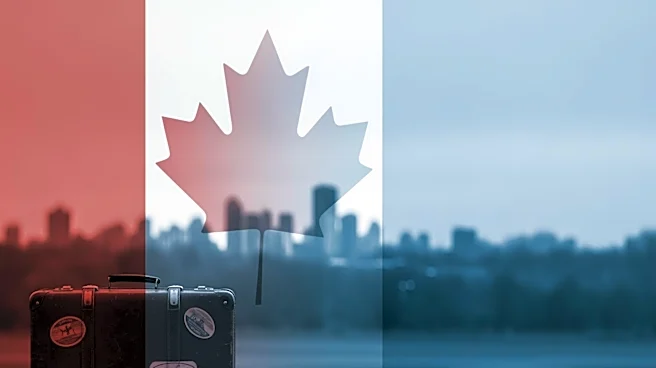
The 1990s saw WrestleMania continue to innovate and expand its format. WrestleMania VI marked the first time the event was held outside the United States, taking place at the SkyDome in Toronto, Canada. The decade also introduced new match types and concepts, such as the Money in the Bank ladder match at WrestleMania 21, which added excitement and unpredictability to the event.
WrestleMania X-Seven in 2001 is often regarded as the pinnacle of the 1990s wrestling boom, featuring memorable matches and the end of the Monday Night War following WWE's acquisition of WCW. The event's success demonstrated WrestleMania's ability to adapt and thrive in changing times, setting the stage for further growth in the new millennium.
Global Reach and Modern Era
In recent years, WrestleMania has embraced its status as a global phenomenon, with events held in large stadiums and cities bidding for the right to host. WrestleMania 32 in 2016 broke attendance records with 101,763 fans at AT&T Stadium in Arlington, Texas, showcasing the event's massive appeal. The introduction of livestreaming in 2014 further expanded its reach, allowing fans worldwide to experience the spectacle.
WrestleMania's influence extends beyond wrestling, with celebrities from various fields participating and performing. The event has become a cultural touchstone, recognized by Forbes as one of the world's most valuable sports event brands. As WrestleMania continues to evolve, it remains a testament to the power of innovation and entertainment, captivating audiences and shaping the future of professional wrestling.