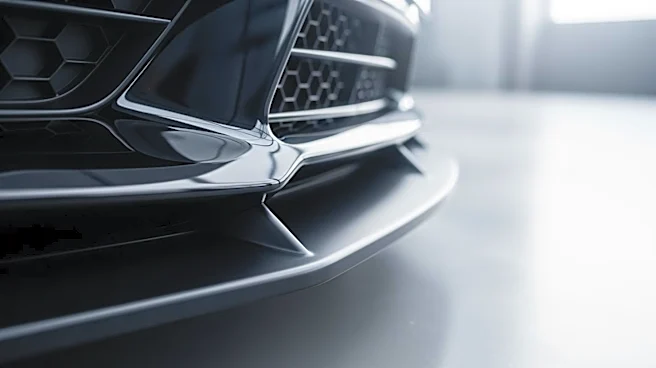

In the realm of automotive design, aerodynamics plays a pivotal role in enhancing vehicle performance. One of the key components contributing to this aspect is the automotive splitter. Mounted on the front
bumper, splitters are designed to manipulate airflow, thereby improving the car's stability and efficiency. This article explores the significance of splitters in the aerodynamic design of modern vehicles.
Functionality and Design
Automotive splitters serve the primary function of directing airflow under the vehicle. By doing so, they help reduce lift and increase downforce, which is essential for maintaining stability at high speeds. The design of a splitter is crucial; it must be aerodynamically efficient while being robust enough to withstand the forces encountered during driving.
Typically, splitters are crafted from lightweight materials such as carbon fiber, which offers both strength and efficiency. The choice of material is important as it affects the overall weight and performance of the vehicle. Engineers meticulously design splitters to ensure they complement the vehicle's aerodynamic profile, contributing to improved handling and speed.
Integration in Modern Vehicles
Modern vehicles, particularly those designed for performance, often incorporate splitters as part of their aerodynamic package. The BMW 2 Series (F22), for example, includes splitters in its M Performance Parts, highlighting their importance in vehicle design. This integration is not just about aesthetics; it is a testament to the role splitters play in enhancing the car's aerodynamic capabilities.
The use of splitters in vehicles like the BMW 2 Series demonstrates the manufacturer's focus on optimizing performance through aerodynamic design. By reducing drag and increasing downforce, splitters help achieve better fuel efficiency and handling, making them a valuable addition to any performance vehicle.
The Impact on Vehicle Performance
The impact of splitters on vehicle performance is significant. By improving aerodynamics, splitters contribute to better stability and control, especially at high speeds. This enhancement is crucial for both everyday driving and competitive racing, where precision and speed are paramount.
As automotive technology continues to advance, the design and functionality of splitters are likely to evolve. Future developments may include adjustable splitters that can adapt to different driving conditions, offering even greater control and efficiency. In conclusion, automotive splitters are a vital component in the aerodynamic design of modern vehicles, playing a key role in enhancing performance and efficiency.