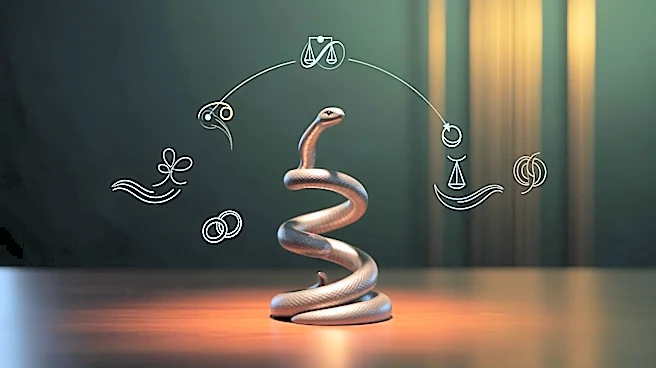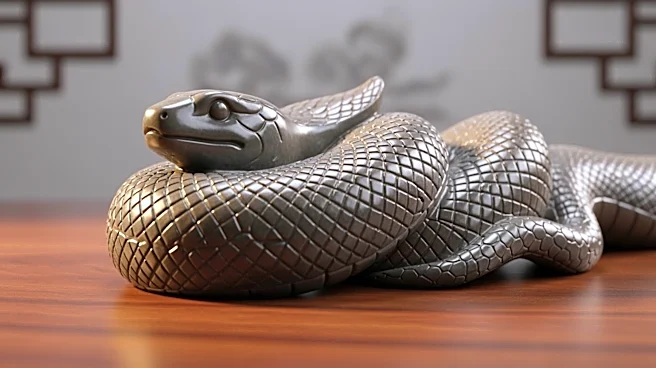






The Snake holds a unique place in the Chinese zodiac, representing the sixth sign in the twelve-year cycle. Known for its association with the Earthly Branch symbol, the Snake is deeply embedded in Chinese culture and mythology. This article delves into the symbolic meanings and cultural significance of the Snake, exploring how it is perceived and celebrated in various traditions.
The Snake's Place in the Zodiac
In the Chinese zodiac, the Snake is the sixth animal in the twelve-year
cycle. Each year in the cycle is associated with a specific animal, and the Snake is linked to the Earthly Branch symbol. The Snake is also used to represent specific hours of the day, particularly from 9:00 to 11:00 a.m., a time when the sun warms the earth and snakes are said to emerge from their hiding places. This connection to time and nature highlights the Snake's role in the broader cosmological and temporal framework of Chinese culture.
The Snake is considered a Yin sign, which is associated with qualities such as introspection, intuition, and subtlety. This Yin nature contrasts with the Yang qualities of other zodiac signs, creating a balance within the zodiac system. The Snake's element is Fire, and it is ruled by the planet Venus, further enriching its symbolic associations with passion, transformation, and beauty.
Cultural and Mythological Associations
Snakes have a long and complex history in Chinese mythology and culture. They are often seen as symbols of intelligence and cunning, with a reputation for being shrewd and strategic. In some legends, snakes are depicted as lacking scruples, highlighting their ability to navigate complex situations with ease. This duality of intelligence and moral ambiguity makes the Snake a fascinating and multifaceted symbol.
One popular myth explains the order of the zodiac animals through a race across a great river. The Snake, not being the best swimmer, cleverly hitched a ride on the Horse's hoof. As the Horse approached the finish line, the Snake startled it by jumping out, securing its place as the sixth animal in the cycle. This story underscores the Snake's cunning and resourcefulness, traits that are often celebrated in Chinese folklore.
The Snake in Modern Culture
In contemporary Chinese culture, the Snake continues to be a symbol of wisdom and transformation. People born in the Year of the Snake are often thought to possess these qualities, and the year itself is believed to be characterized by the Snake's attributes. This influence is particularly strong for those born in a Snake year, as they are thought to embody the sign's characteristics more fully.
The Snake is also associated with specific lucky numbers, colors, and flowers, which are believed to bring good fortune to those born under this sign. Red, yellow, and black are considered lucky colors, while orchids and cacti are seen as auspicious flowers. These associations further enrich the cultural tapestry surrounding the Snake, making it a vibrant and enduring symbol in Chinese tradition.