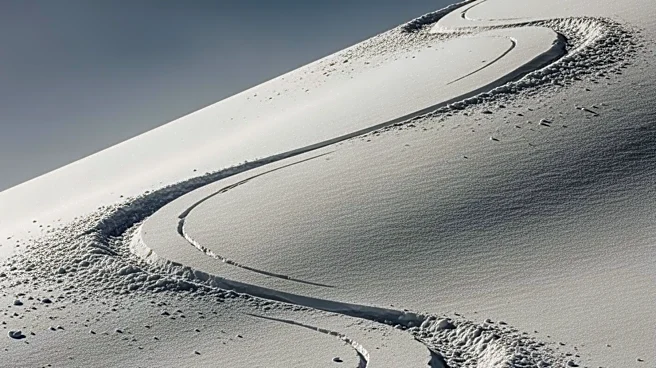





In the world of alpine skiing, hairpin turns are not just a feature of the landscape but a critical element of the sport itself. These turns, consisting of two consecutive vertical or "closed gates," require skiers to navigate quickly and precisely. Hairpin turns test the skill and agility of skiers, making them a thrilling and challenging aspect of competitive skiing. This article explores the significance of hairpin turns in alpine skiing, highlighting
their role in the sport and the skills required to master them.
The Role of Hairpin Turns in Slalom Skiing
In slalom skiing, hairpin turns are a common feature that adds complexity to the course. These turns require skiers to make rapid, precise movements to navigate through the gates without losing speed. The ability to execute hairpin turns effectively can be the difference between winning and losing in competitive skiing.
Hairpin turns are designed to test a skier's technical skills, including balance, timing, and edge control. Skiers must maintain a low center of gravity and use their edges to carve through the turns efficiently. The quick succession of gates in a hairpin turn demands split-second decision-making and flawless execution, making it a true test of a skier's abilities.
Training for Hairpin Turns
Mastering hairpin turns requires rigorous training and practice. Skiers often spend countless hours on the slopes, honing their technique and building the muscle memory needed to navigate these challenging turns. Coaches focus on developing a skier's agility and strength, as well as their ability to read the course and anticipate the turns.
Training for hairpin turns also involves mental preparation. Skiers must remain focused and composed, even under the pressure of competition. Visualization techniques are often used to help skiers mentally rehearse the course, allowing them to anticipate the turns and plan their strategy in advance.
The Thrill of Hairpin Turns in Competition
For both skiers and spectators, hairpin turns add an element of excitement to alpine skiing competitions. The speed and precision required to navigate these turns make for a thrilling spectacle, as skiers push their limits to achieve the fastest time. The challenge of hairpin turns also adds an element of unpredictability, as even the most skilled skiers can be caught off guard by a misjudged turn.
In conclusion, hairpin turns are a vital component of alpine skiing, testing the skills and determination of athletes. They add complexity and excitement to the sport, making it a favorite among both competitors and fans. As skiers continue to push the boundaries of what is possible, hairpin turns will remain a defining feature of alpine skiing.