





In the mid-1980s, a compilation album titled 'Sessions' was planned to be released by the iconic English rock band, The Beatles. However, this album never saw the light of day due to objections from the surviving members of the band. The album was intended to feature 13 previously unreleased tracks, offering fans a glimpse into the band's extensive vault of recordings. Although 'Sessions' was ultimately canceled, the idea was later revived in a different
form, leading to the creation of 'The Beatles Anthology' in 1995.
The Origins of 'Sessions'
The concept of 'Sessions' emerged after The Beatles' contract with EMI expired in 1976. EMI began to explore the band's back catalog, which included hundreds of hours of unreleased recordings stored in the Abbey Road Studio vaults. Over the years, several compilation albums of previously released material were issued, but an album of unreleased studio recordings was also considered. Despite a few attempts, the project was abandoned multiple times.
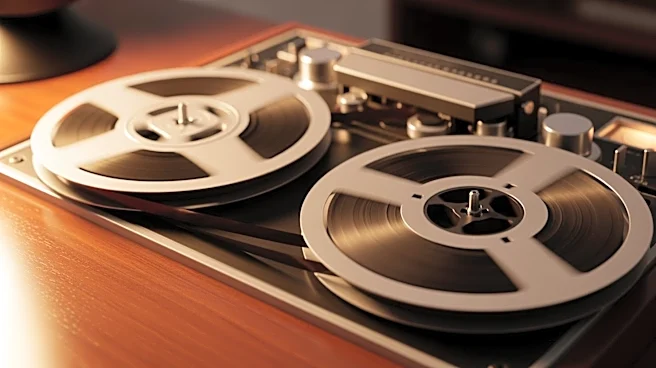
In the early 1980s, Abbey Road Studios house engineer John Barrett was tasked with listening to and logging the studio's collection of multi-tracks and master tapes of the group. This research unearthed more previously unknown recordings, some of which were remixed for inclusion in the 1983 multi-media tour of Abbey Road Studios, titled 'The Beatles at Abbey Road.'
The Development and Cancellation
In the summer of 1984, EMI began work on a compilation album of previously unreleased material. Former Beatles engineer Geoff Emerick was hired to remix and edit the recordings to a commercial standard. The album went under the in-house code name 'Mary Jane' and had working titles such as 'Boots' and 'One-Two-Three-Four' before 'Sessions' was settled upon.
The original release date for 'Sessions' was set for November 1984, but EMI decided to delay it to avoid clashing with Paul McCartney's 'Give My Regards to Broad Street' soundtrack. Reports suggest that McCartney later objected to the release of 'Sessions' in its then-current form, while George Harrison, joined by John Lennon's estate, objected to the album entirely. As a result, 'Sessions' was canceled indefinitely.
The Legacy of 'Sessions'
Although 'Sessions' was never officially released, its concept lived on. In 1995, the idea was resurrected as 'The Beatles Anthology,' a greatly expanded three-volume double CD set accompanied by a six-hour documentary. This project provided fans with a comprehensive look at The Beatles' career, including many of the unreleased tracks that were initially intended for 'Sessions.' The legacy of 'Sessions' highlights the enduring interest in The Beatles' music and the band's influence on popular culture.