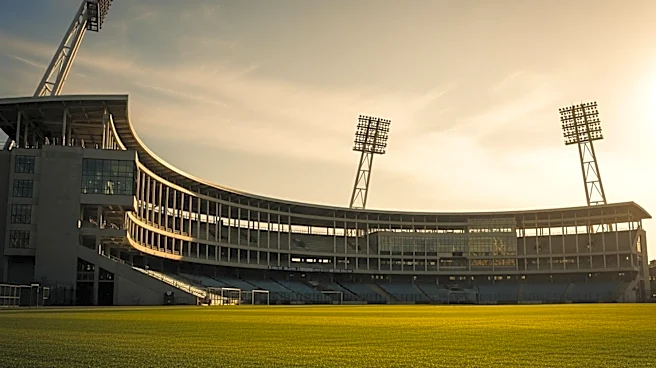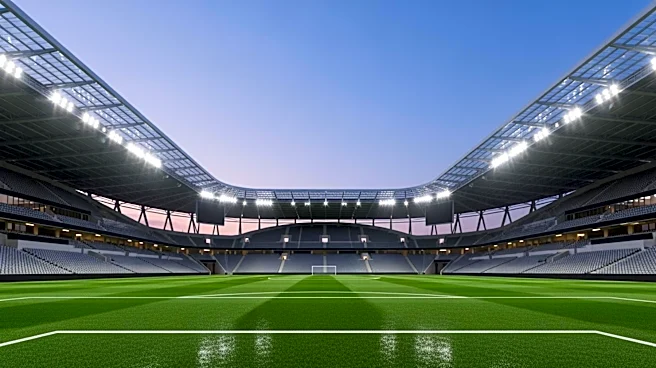






Stade de la Mosson, located in Montpellier, France, has undergone significant transformations since its inception. Originally built in 1972, this stadium has evolved from a modest 16,000-seater to a modern venue with a capacity of 32,900. This article delves into the historical development and key renovations that have shaped Stade de la Mosson into the iconic sports venue it is today.
Early Years and Initial Construction
Stade de la Mosson was constructed in 1972, serving as the home
ground for Montpellier HSC, a football club that competes in Ligue 2. Initially, the stadium could accommodate 16,000 spectators, reflecting the modest needs of the club and the local community at the time. The stadium's name is derived from the nearby Mosson river, a geographical feature that has lent its identity to the venue.
In its early years, Stade de la Mosson primarily hosted football matches, providing a platform for local and regional competitions. The stadium's design and capacity were typical of the era, focusing on functionality and accessibility for fans. However, as the popularity of football grew and Montpellier HSC's ambitions expanded, the need for a larger and more modern facility became apparent.
Major Renovations for the 1998 FIFA World Cup
The most significant transformation of Stade de la Mosson occurred in 1998 when it was entirely rebuilt to host six games of the FIFA World Cup. This renovation was a turning point in the stadium's history, elevating it to international standards. The reconstruction increased the seating capacity to 32,900, allowing it to accommodate a larger audience and host high-profile events.
The 1998 renovation not only expanded the stadium's capacity but also modernized its facilities. The upgrade included improved seating arrangements, enhanced spectator amenities, and state-of-the-art infrastructure to support international competitions. This transformation positioned Stade de la Mosson as a premier venue in France, capable of hosting world-class sporting events.
Continued Use and Recent Developments
Following the 1998 World Cup, Stade de la Mosson continued to serve as a key venue for various sports. It was used for group stage matches in the 2007 Rugby World Cup and was one of nine venues for the 2019 FIFA Women's World Cup. These events underscored the stadium's versatility and its ability to adapt to different sports and audiences.
In 2014, the stadium faced challenges when it was flooded twice due to heavy rainfall, causing significant damage to the pitch and facilities. This incident highlighted the ongoing need for maintenance and upgrades to ensure the stadium's resilience against natural events. Despite these challenges, Stade de la Mosson remains a central part of Montpellier's sporting landscape, continuing to host Montpellier HSC's home matches and other significant events.
Stade de la Mosson's evolution from a modest local stadium to a modern international venue reflects the dynamic nature of sports infrastructure. Its history of renovations and adaptations showcases the importance of evolving facilities to meet the demands of both local and global sporting events.