




Iron Man, the 2008 film directed by Jon Favreau, represents a successful adaptation of the Marvel Comics character created by Stan Lee, Larry Lieber, Don Heck, and Jack Kirby. This transition from page to screen involved significant creative decisions that shaped the film's narrative and visual style. By examining the adaptation process, we can understand how Iron Man became a cinematic icon while staying true to its comic book roots.
Origins in Marvel Comics
The character
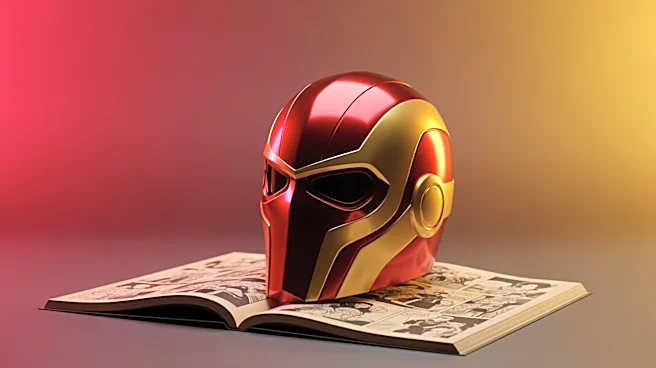
of Iron Man first appeared in Marvel Comics, created by a team of legendary comic book artists and writers. Tony Stark, a billionaire industrialist and genius inventor, was introduced as a complex character with a compelling origin story. The comics explored themes of technology, power, and redemption, which became central to the film adaptation.
Marvel Studios reacquired the rights to Iron Man in 2005, setting the stage for its first self-financed film. The decision to adapt Iron Man was influenced by the character's rich narrative potential and the opportunity to introduce audiences to a lesser-known superhero. The film's screenplay, crafted by Mark Fergus, Hawk Ostby, Art Marcum, and Matt Holloway, drew heavily from the comic book source material, ensuring that the essence of Iron Man was preserved.
Creative Adaptation Choices
Adapting Iron Man for the big screen involved several creative choices that distinguished the film from its comic book origins. Director Jon Favreau opted to set the film in contemporary times, updating the character's origin from the Vietnam War to the conflict in Afghanistan. This change allowed the film to resonate with modern audiences, reflecting current geopolitical issues.
The film's visual style was another key aspect of the adaptation. Stan Winston's company created practical and digital versions of the Iron Man armor, blending traditional effects with cutting-edge CGI. This approach resulted in a visually stunning portrayal of Iron Man, capturing the character's iconic look while enhancing the realism of the film's action sequences.
Staying True to the Source
Despite the changes made during the adaptation process, Iron Man remained faithful to its comic book roots. The film retained the core elements of Tony Stark's character, including his intelligence, charisma, and moral complexity. Robert Downey Jr.'s performance brought these traits to life, earning praise for his portrayal of Stark's transformation from a self-centered industrialist to a heroic figure.
Iron Man's success as an adaptation is evident in its reception by both comic book fans and general audiences. The film's ability to capture the spirit of the original comics while introducing new elements contributed to its widespread acclaim. Iron Man not only launched the Marvel Cinematic Universe but also set a high standard for future comic book adaptations.
In conclusion, Iron Man's journey from page to screen showcases the careful balance between honoring the source material and embracing creative innovation. The film's adaptation process highlights the importance of staying true to the character's essence while making necessary updates to engage contemporary audiences. Iron Man remains a testament to the power of adaptation in bringing beloved comic book characters to life on the big screen.