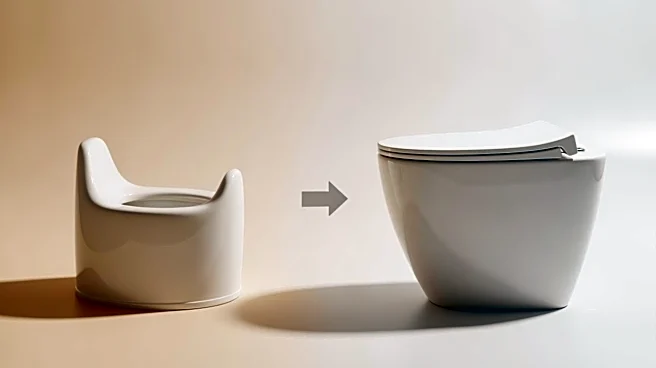








Toilet training is a significant milestone in a child's development, marking the transition from diapers to independent bathroom use. Over the years, the methods and philosophies surrounding toilet training have evolved significantly. From early practices that were often harsh and regimented to modern approaches that emphasize gentleness and communication, the journey of toilet training reflects broader changes in parenting and child development theories.
Early Practices and Their Impact
In the early 1900s, toilet training methods in Europe and North America were often strict and coercive. These methods included the use of suppositories to enforce a rigid schedule of bowel movements. Such practices were documented in publications like the 1929 and 1935 editions of "Infant Care" by the U.S. Department of Labor's Children's Bureau. The emphasis was on a regulated schedule, and punishment was not considered appropriate for infants under one year of age. However, these methods were often criticized for their harshness and potential psychological impact on children.
As time progressed, there was a shift towards gentler methods. By the mid-20th century, the focus began to move away from strict schedules and towards understanding the child's natural elimination patterns. This change was partly influenced by the recognition that early harsh methods could lead to negative psychological outcomes. The evolution of toilet training practices mirrored broader changes in child-rearing philosophies, which increasingly valued the child's emotional well-being.
Modern Approaches to Toilet Training
Today, toilet training is generally approached with an emphasis on positive reinforcement and communication between the caregiver and the child. Most experts agree that toilet training should be a cooperative process, requiring mutual understanding and agreement. The best techniques are those that make the experience enjoyable for the child, focusing on consistency and positive reinforcement rather than punishment.
Research suggests that children over 24 months tend to train faster, with girls typically training slightly faster than boys. Accidents, where a child urinates or defecates in an inappropriate place, are considered a normal part of the process. These modern approaches reflect a broader understanding of child development, recognizing the importance of a supportive and nurturing environment.
Alternative Methods: Elimination Communication
In addition to traditional toilet training, some parents opt for elimination communication (EC), a method that involves recognizing and responding to an infant's natural elimination cues. This practice is based on the idea that infants can communicate their need to eliminate, and caregivers can respond by holding them over a toilet or potty. EC is often started before the baby is six months old and can be practiced part-time or full-time.
Elimination communication emphasizes the bond between caregiver and child, promoting a unique form of communication. While it is not as widely practiced in Western societies, it is a common method in many non-Western cultures. The practice highlights the diversity of approaches to toilet training and the importance of cultural context in parenting practices.
Overall, the evolution of toilet training practices reflects broader changes in societal attitudes towards child-rearing, emphasizing gentleness, communication, and the child's emotional well-being.