

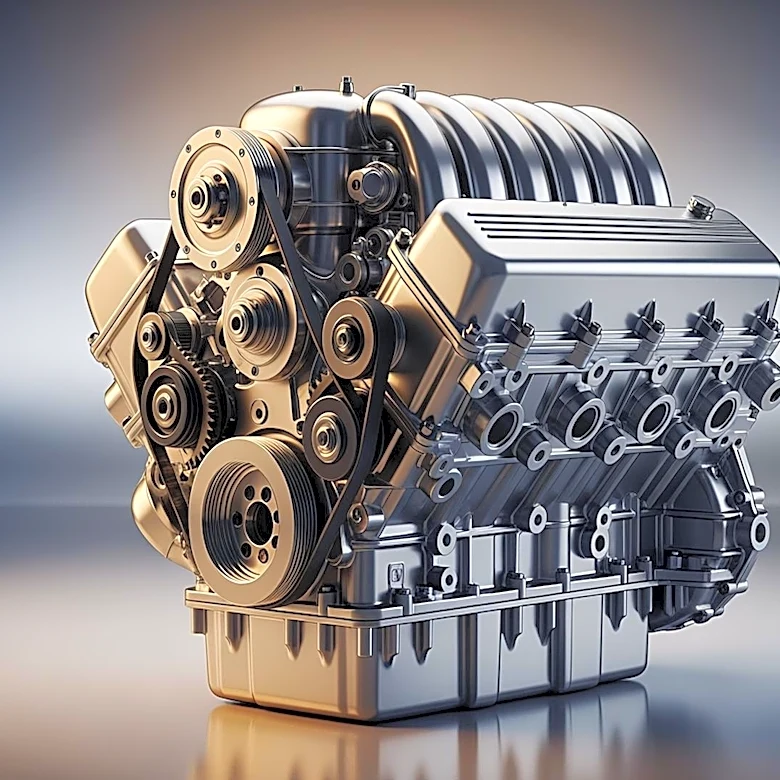
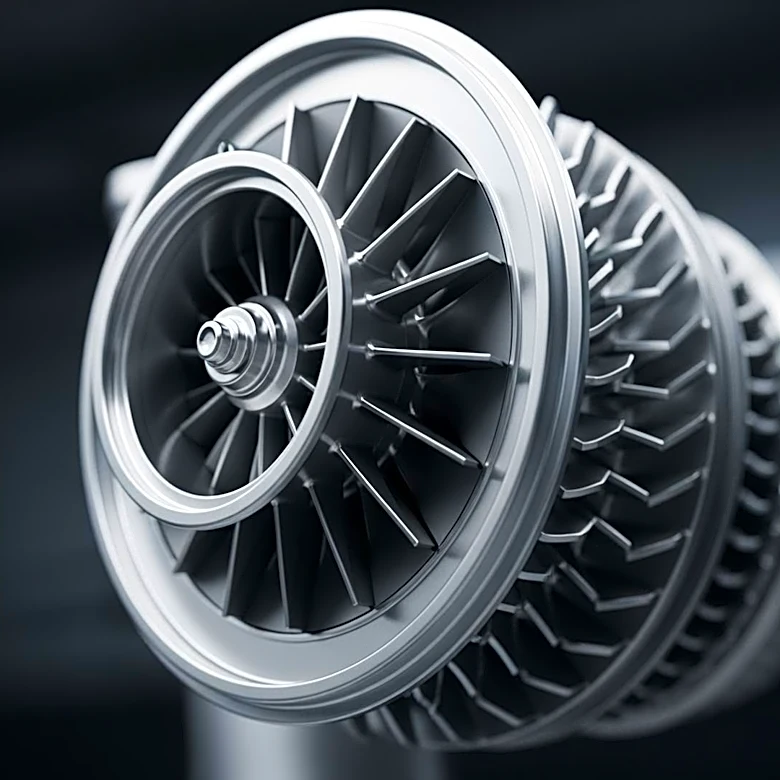

The Wankel engine, a rotary combustion engine invented by Felix Wankel, has been a significant part of automotive history, particularly through its association with Mazda. Known for its compact design and high power-to-weight ratio, the Wankel engine has undergone various transformations since its introduction in the 1950s. Mazda has been at the forefront of these developments, continuously refining the engine to overcome challenges such as fuel efficiency
and emissions.
Early Developments and Challenges
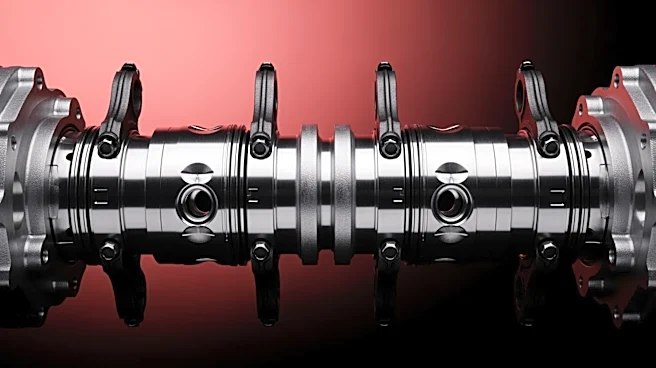
Mazda's journey with the Wankel engine began in the 1960s, when the company started producing rotary engines. The initial models, like the 40A prototype, faced significant hurdles, including issues with oil consumption and housing durability. These early engines were plagued by "chatter marks" caused by the vibrating tip-seals, which led to heavy oil consumption. Mazda engineers tackled these problems by introducing heat-resistant rubber oil seals and hollow cast iron apex seals to reduce vibration.
Despite these challenges, Mazda persisted, recognizing the potential of the Wankel engine's compact size and high power output. The company introduced the 10A series in 1965, marking its first production Wankel engine. This two-rotor design featured improved rotor dimensions and materials, such as sand-cast aluminum housing and chrome-molybdenum steel shafts, which enhanced durability and performance.
Innovations and Popularity
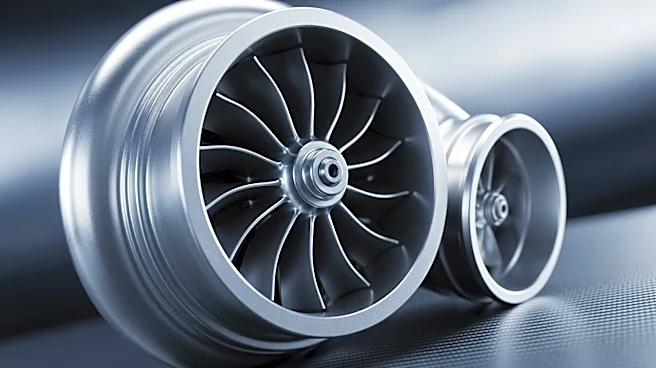
Mazda's commitment to the Wankel engine led to significant innovations over the years. The introduction of turbocharging in 1982 marked a turning point, allowing the engines to produce higher power outputs while maintaining their compact size. The 12A turbo engine, for instance, became the fastest production car in Japan, showcasing the engine's potential in performance vehicles.
The 13B series further solidified Mazda's reputation for rotary engines. This series, produced for over 30 years, became the basis for all future Mazda Wankel engines. The 13B-REW, with its sequentially-turbocharged design, became famous for its high output and low weight, setting a new standard for rotary engines. Mazda's RX-series, including the RX-7 and RX-8, became iconic, celebrated for their unique engine design and performance capabilities.
Modern Applications and Future Prospects
Mazda's dedication to the Wankel engine continues into the modern era. In 2023, the company reintroduced the engine as a generator for the MX-30 e-Skyactiv R-EV plug-in hybrid, demonstrating its versatility beyond traditional automotive applications. This single-rotor engine, known as the 8C, features advanced technologies like gasoline direct injection and exhaust gas recirculation, improving fuel economy and reducing emissions.
Looking ahead, Mazda remains committed to refining the Wankel engine, exploring its potential as a range extender in electric vehicles. The company's innovative spirit ensures that the Wankel engine will continue to evolve, adapting to new automotive trends and environmental standards.