




Seitan, also known as wheat meat or gluten meat, is a versatile ingredient that has found its place in many Asian cuisines. Its chewy texture and ability to absorb flavors make it a popular choice for vegetarian and vegan dishes. This article explores the role and preparation of seitan in Chinese, Japanese, and Vietnamese culinary traditions.
Chinese Culinary Traditions
In Chinese cuisine, seitan is known as miànjīn and is often used as a substitute for meat, particularly in Buddhist
cooking. It is commonly deep-fried to create a crispy rind, enhancing the texture of the gluten. There are several forms of Chinese wheat gluten, including oil-fried gluten, steamed gluten, and baked spongy gluten.
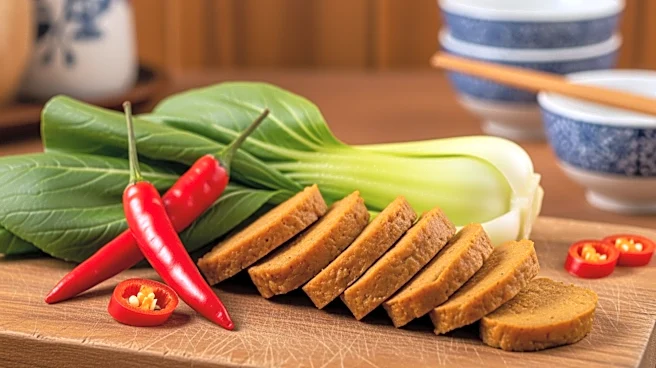
Oil-fried gluten is made by tearing raw gluten into small bits and deep-frying them into puffy balls, often referred to as "imitation abalone." These are typically braised or boiled in savory soups and stews. Steamed gluten, on the other hand, is wrapped into a sausage shape and steamed, resulting in a dense texture that can be sliced into medallions or used in various dishes.
Japanese Culinary Techniques
In Japan, seitan is known as fu and is used in Buddhist vegetarian cooking and tea ceremony cuisine. There are two main types of fu: raw nama-fu and dry-baked yaki-fu. Nama-fu is solid gluten mixed with glutinous rice flour and steamed, often shaped and colored to enhance its appearance.
Yaki-fu is gluten leavened with baking powder and baked into bread-like sticks, commonly added to miso soup and sukiyaki. It absorbs broth and becomes lighter and fluffier, making it a favored ingredient in Japanese supermarkets. Despite its origins, seitan is not widely known in Japan outside macrobiotic circles.
Vietnamese Culinary Practices
In Vietnam, seitan is called mì căn and is prepared similarly to Chinese miànjīn. It is a staple in Buddhist cuisine, often used alongside tofu in various dishes. Vietnamese seitan is known for its ability to mimic the texture and flavor of meat, making it a popular choice for vegetarian meals.
The preparation of seitan in Vietnam involves marinating and cooking it in flavorful broths, allowing it to absorb the essence of the dish. Its adaptability and high protein content make it an essential ingredient in Vietnamese vegetarian cooking.