




Great Basin National Park, located in Nevada, is not only a natural wonder but also a site of historical and cultural significance. Established in 1986, the park encompasses a rich history that includes the creation of Lehman Caves National Monument and the advocacy efforts that led to its designation as a national park. This article explores the historical milestones and cultural importance of this unique park.
From Monument to National Park
The history of Great Basin National
Park dates back to January 24, 1922, when President Warren G. Harding created Lehman Caves National Monument. This initial designation was a crucial step in preserving the unique geological formations found within the caves. The monument's protection laid the groundwork for the eventual establishment of the national park.
In 1986, after years of advocacy by Congressman Harry Reid and others, the monument and its surrounding areas were designated as Great Basin National Park. This transition marked a significant milestone in the park's history, ensuring the protection of its diverse ecosystems and cultural heritage for future generations.
Cultural and Indigenous Heritage
The area now known as Great Basin National Park has been inhabited by various indigenous peoples for thousands of years. The Shoshone, Ute, and Northern Paiute tribes have all called this region home, relying on its resources for sustenance and cultural practices. The park's landscapes and natural features hold deep cultural significance for these tribes, reflecting their long-standing connection to the land.
The park's establishment as a national park has helped preserve not only its natural beauty but also its cultural heritage. Efforts to protect and interpret the park's indigenous history are ongoing, ensuring that visitors can appreciate the rich cultural tapestry that defines Great Basin National Park.
A Legacy of Conservation
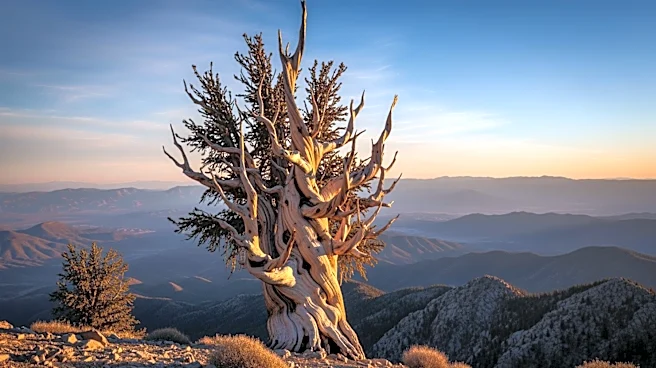
The creation of Great Basin National Park is a testament to the power of conservation efforts and the importance of preserving natural and cultural resources. The park's designation has helped protect its unique ecosystems, including ancient bristlecone pines and diverse wildlife, from the pressures of development and exploitation.
Today, the park continues to serve as a symbol of the conservation movement, inspiring future generations to value and protect the natural world. Its historical significance and cultural importance make Great Basin National Park a vital part of America's national park system, offering visitors a chance to connect with both nature and history.