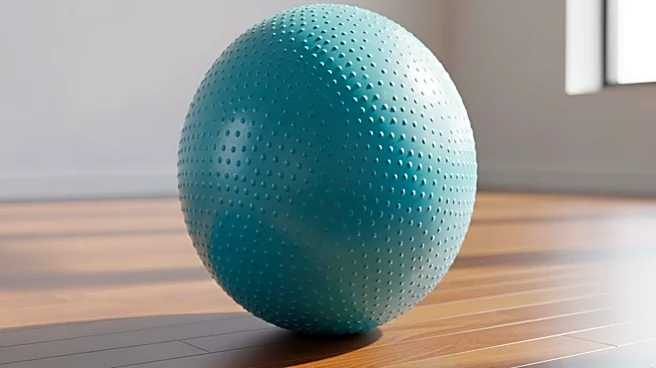

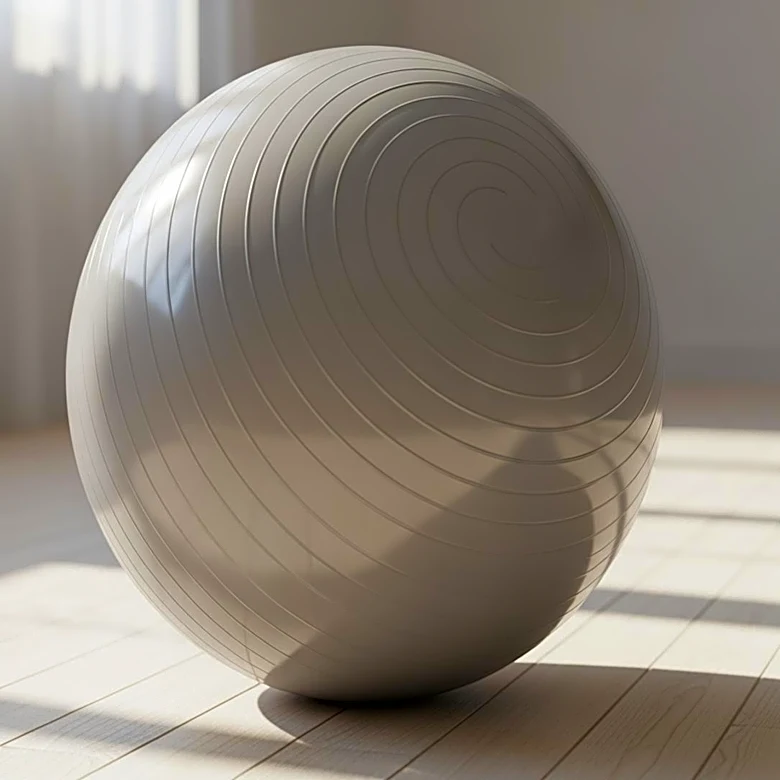




Exercise balls, also known as stability balls, have gained popularity for their ability to enhance workouts by engaging core muscles and improving balance. This article delves into the science behind exercise ball workouts, explaining how they activate muscles and contribute to overall fitness.
Muscle Activation and Core Engagement
One of the primary benefits of using an exercise ball is its ability to activate core muscles. When performing exercises on an unstable surface like an exercise ball,
the body must work harder to maintain balance. This increased effort recruits more muscle units, particularly in the core, without adding extra weight.
Research has shown that exercises such as curl-ups or push-ups performed on an exercise ball result in greater electromyographic (EMG) activity compared to those done on a stable surface. This means that the muscles, especially the rectus abdominis, are more engaged, leading to improved strength and endurance over time. The instability of the ball challenges the body to stabilize itself, making it an effective tool for core strengthening.
Enhancing Traditional Exercises
Exercise balls can transform traditional exercises by adding an element of instability. For instance, performing a push-up on an exercise ball not only targets the chest and arms but also engages the core and stabilizing muscles. This dual engagement makes the exercise more efficient and effective.
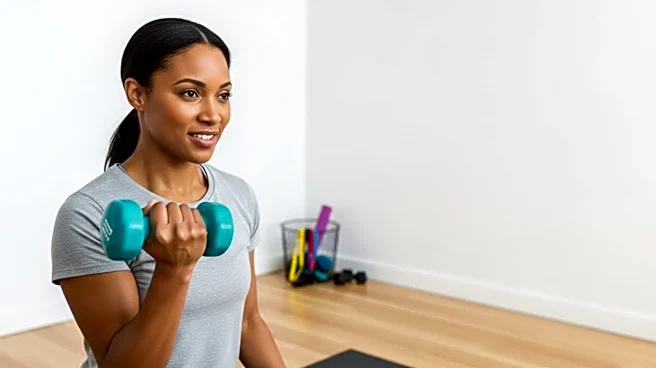
The ball's versatility allows it to be incorporated into various fitness routines, from weight training to Pilates. Dumbbell exercises, such as the dumbbell fly, can be performed on a ball to enhance muscle activation. This adaptability makes the exercise ball a valuable addition to any workout regimen, providing a comprehensive approach to fitness.
Beyond Core Strength: Additional Benefits
While core strengthening is a significant benefit of exercise ball workouts, the advantages extend beyond that. The ball's use in physical therapy and rehabilitation highlights its role in improving balance and coordination. By challenging the body's stability, the exercise ball helps develop proprioception, the body's ability to sense its position in space.
Moreover, the exercise ball is used in various alternative practices, such as yoga and Pilates, to enhance flexibility and range of motion. Its application as a "birth ball" during labor further demonstrates its versatility, providing comfort and aiding in the natural physiological process of birth.
In conclusion, the exercise ball is more than just a fitness tool; it's a scientifically-backed method for enhancing workouts and improving overall physical health. Its ability to engage multiple muscle groups and improve balance makes it an essential component of modern fitness routines.