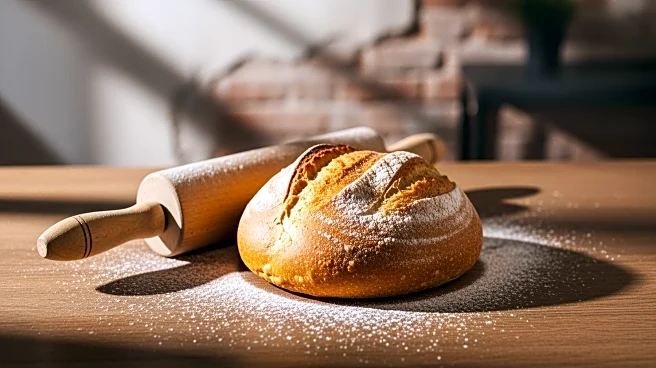




Bakeries have been a staple of human civilization for centuries, evolving from simple home-based operations to bustling commercial establishments. The history of bakeries is a fascinating journey that reflects changes in society, technology, and culinary arts. From the esteemed profession of bakers in ancient Rome to the modern-day café culture, bakeries have played a significant role in shaping our food habits and social interactions.
Ancient Beginnings
The concept
of baking as a profession dates back to the Roman Empire, where bakers were highly esteemed. Around 300 BCE, baking was introduced as a respectable occupation, and bakers began preparing bread at home using grist mills to grind grain into flour. The demand for baked goods grew alongside the empire, leading to the establishment of the first bakers' guild in 168 BCE in Rome. This guild marked a significant milestone in the professionalization of baking, setting standards and practices that would influence the industry for centuries.
Bakers in ancient Rome were integral to important occasions such as feasts and weddings, highlighting the cultural significance of baked goods. As the Roman Empire expanded, so did the influence of its baking practices, spreading throughout Europe and into Asia. Bakers began selling their goods on the streets, making baked products accessible to the masses and laying the groundwork for the modern bakery.
The Rise of Commercial Bakeries
The transition from home-based baking to commercial bakeries was driven by increasing demand and technological advancements. In Europe, the first open-air market for baked goods was established in Paris, transforming bakeries into popular social hubs. This shift was further accelerated by the invention of the automatic bread-slicing machine in 1928 by Otto Frederick Rohwedder in Missouri. Although initially met with skepticism due to the appearance of the sliced bread, it eventually gained popularity, revolutionizing the bread industry.
World War II had a profound impact on the baking industry, particularly in the United Kingdom. The war led to the closure of baking schools and a shortage of skilled bakers, prompting the development of new methods to meet the demand for bread. Chemical additives, premixes, and specialized machinery became commonplace, leading to the industrialization of baking and the dominance of large commercial firms.
Modern Bakeries and Café Culture
Today, bakeries are more than just places to buy bread; they are social spaces where people gather to enjoy coffee, tea, and a variety of baked goods. Many retail bakeries have evolved into cafés, offering a cozy atmosphere for customers to relax and socialize. The distinction between bakeries and pâtisseries has become more pronounced, with the latter specializing in sweet baked goods.
Bakeries now cater to diverse dietary needs, offering customized products for those with allergies or sensitivities. The rise of artisan bread, made with locally milled flour and without bleaching agents, reflects a growing trend towards traditional and handmade baked goods. As bakeries continue to adapt to changing consumer preferences, they remain an essential part of our culinary landscape, blending tradition with innovation.