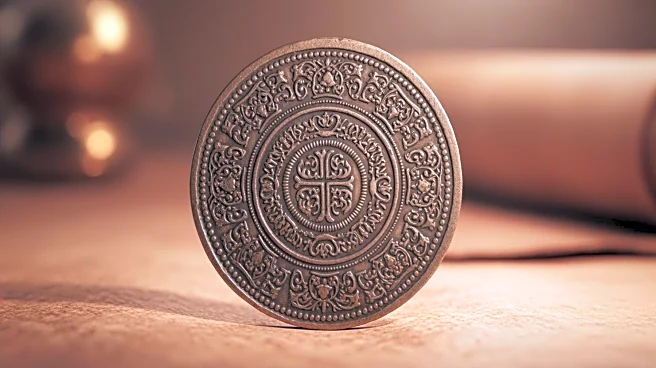




Coins have long served as more than just a medium of exchange; they are also a canvas for art and symbolism. From the earliest coins in Lydia to modern currency, the designs and images on coins reflect the cultural values, political power, and artistic trends of their time. This exploration of coinage reveals how these small metal discs have communicated messages and stories throughout history.
Ancient Coinage: Symbols of Power and Divinity
The earliest coins, minted in Lydia around the 7th century
BC, featured simple designs, often depicting animals or symbols of power. These images served as a guarantee of the coin's value and authenticity. As coinage spread to Greece, the designs became more elaborate, often featuring gods, goddesses, and mythological creatures. These images were not only decorative but also conveyed messages about the issuing authority's divine favor and legitimacy.
Greek coins, for example, frequently depicted Athena, the goddess of wisdom and warfare, symbolizing the city's strength and protection. The use of such imagery reinforced the connection between the state and the divine, legitimizing the ruler's authority. This practice of using coins as a tool for political and religious messaging continued throughout the ancient world.
Medieval and Renaissance Coinage: Portraits and Propaganda
During the medieval period, coinage became an important tool for political propaganda. Rulers used coins to assert their authority and communicate their power to subjects and rivals alike. The introduction of portraiture on coins allowed monarchs to project their image across their realms, reinforcing their presence and legitimacy.
The Renaissance saw a revival of classical themes in coin design, with an emphasis on realism and artistic expression. Coins from this period often featured detailed portraits of rulers, showcasing the skill of engravers and the wealth of the issuing authority. This era marked a shift towards coins as objects of art, with designs reflecting the cultural and intellectual currents of the time.
Modern Coinage: National Identity and Commemoration
In the modern era, coins continue to serve as a reflection of national identity and pride. Many countries use coin designs to commemorate significant historical events, figures, and cultural symbols. For example, the United States has issued coins featuring presidents, national landmarks, and symbols of freedom, such as the bald eagle.
The use of coins for commemoration and celebration highlights their enduring role as cultural artifacts. While the materials and production methods have evolved, the symbolic power of coins remains unchanged. They continue to tell stories, celebrate achievements, and connect people to their history and heritage.