






Peas have been a staple in human diets for thousands of years, evolving from ancient cultivation practices to modern culinary uses. This article explores the historical journey of peas, highlighting their significance in agriculture and cuisine throughout the ages. From their early domestication to their role in medieval and modern European diets, peas have played a crucial role in shaping food culture.
Ancient Cultivation and Domestication
Peas are one of the oldest domesticated crops,
with evidence of cultivation dating back at least 7,000 years. Archaeological finds suggest that peas were present in the Near East and Central Asia around 10,000 B.C. In Egypt, peas were found in the Nile Delta area dating from 4800–4400 BC, and in Upper Egypt from 3800–3600 BC. These early cultivations highlight the importance of peas in ancient agricultural practices.
In northern Europe, peas were found in Fennoscandia dating back to 4000 BC, indicating their widespread use across different regions. The domestication of peas involved constant selection to improve yield, a practice that began in the Mediterranean Basin during the Neolithic dawn of agriculture. This selection process led to the development of various pea cultivars suited to different climates and regions.
Peas in Medieval and Early Modern Cuisine
During the Middle Ages, peas were a staple food that helped stave off famine. They were frequently mentioned in historical texts as a crucial part of the diet. Charles the Good, count of Flanders, explicitly noted the importance of peas in 1124. Peas were consumed primarily as dry seeds, which were easy to store and provided essential nutrients during times of scarcity.
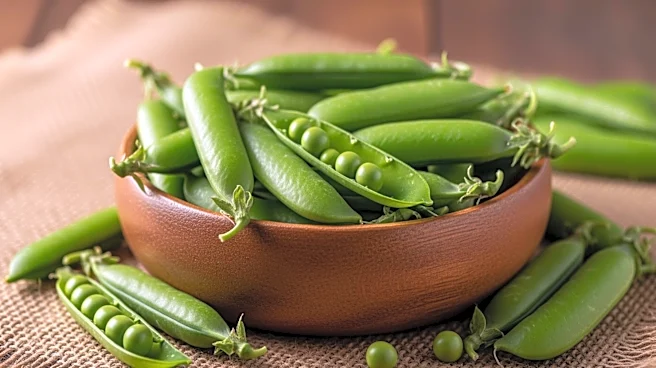
The innovation of consuming fresh immature green peas emerged in early modern Europe. This shift marked a significant change in culinary practices, as fresh peas became a luxury item. In England, the distinction between field peas and garden peas dates from the early 17th century, with garden peas being prized for their fresh taste. This period saw the development of new pea cultivars, enhancing their appeal and versatility in cooking.
Modern Cultivation and Culinary Uses
Today, peas are grown worldwide, with major producers including Russia, China, Canada, Europe, Australia, and the United States. Modern cultivation techniques have improved yield and quality, making peas a popular ingredient in various cuisines. Fresh peas are often boiled or steamed, enhancing their sweetness and nutritional value.
Peas are used in a variety of dishes, from pot pies and salads to stir-fries and soups. In North America, split pea soup is a traditional dish, while in the UK, mushy peas are a popular accompaniment to fish and chips. The versatility of peas continues to make them a beloved ingredient in kitchens around the world.