


Yellowstone National Park holds the distinction of being the first national park in the United States, established in 1872. This groundbreaking move set a precedent for the conservation of natural landscapes and wildlife, not only in the U.S. but around the world. The park's creation was a significant milestone in the history of environmental preservation, marking the beginning of a new era in which natural beauty and biodiversity were recognized
as national treasures worth protecting.
The Establishment of Yellowstone
In 1872, the U.S. Congress established Yellowstone National Park, making it the first national park in the country and the world. This decision was driven by the unique geothermal features and diverse wildlife found in the area, which spans parts of Wyoming, Montana, and Idaho. The park covers over 2.2 million acres, offering a vast expanse of protected land for future generations to enjoy. The establishment of Yellowstone was a pioneering step in the conservation movement, highlighting the importance of preserving natural wonders for public enjoyment and ecological health.
The creation of Yellowstone was influenced by the efforts of conservationists and politicians who recognized the need to protect the area's unique landscapes. The park's establishment was a collaborative effort, with support from various stakeholders, including the Northern Pacific Railroad, which saw the potential for tourism and economic growth. This collaboration was crucial in securing the necessary legislation to create the park, setting a model for future conservation efforts.
Yellowstone's Unique Features
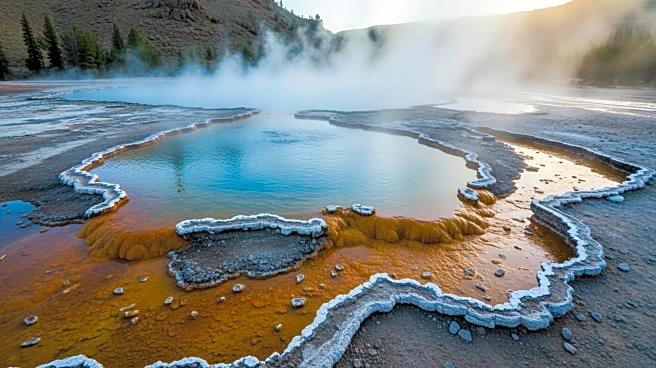
Yellowstone is renowned for its geothermal features, including geysers, hot springs, and fumaroles. The park is home to the largest collection of geysers in the world, with the iconic Old Faithful being one of the most famous. These geothermal features are a result of the park's location atop a volcanic hotspot, which has shaped the landscape over millions of years. The park's unique geology and geothermal activity make it a site of scientific interest and a popular destination for visitors from around the globe.
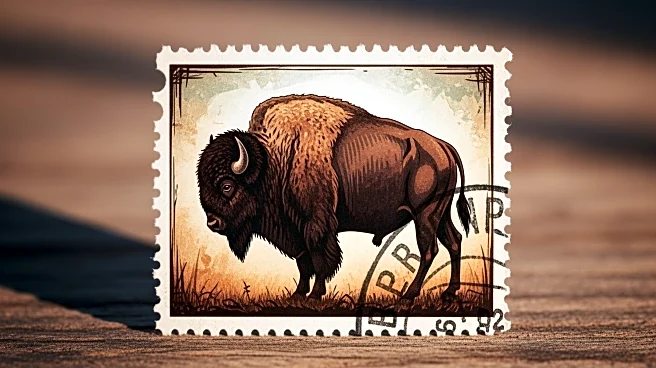
In addition to its geothermal wonders, Yellowstone is home to a diverse array of wildlife, including bison, elk, grizzly bears, and wolves. The park's ecosystems provide critical habitat for these species, many of which are rare or endangered. The preservation of these habitats is a key aspect of the park's mission, ensuring that Yellowstone remains a haven for wildlife and a place where visitors can experience the beauty of nature firsthand.
The Legacy of Yellowstone
The establishment of Yellowstone National Park set a precedent for the creation of national parks worldwide. It demonstrated the value of preserving natural landscapes for public enjoyment and ecological health, inspiring other countries to follow suit. Today, Yellowstone is a UNESCO World Heritage Site, recognized for its outstanding natural beauty and ecological significance.
Yellowstone's legacy continues to influence conservation efforts, serving as a model for the protection of natural areas. The park's success has shown that preserving natural wonders is not only beneficial for the environment but also for society as a whole, providing opportunities for recreation, education, and scientific research. As the first national park, Yellowstone remains a symbol of the importance of conservation and the enduring value of nature.