
The GP2 Series was a significant stepping stone in the world of motorsport, serving as a crucial feeder series to Formula One. Introduced in 2005, it replaced the Formula 3000 series and continued until 2016, when it was rebranded as the FIA Formula 2 Championship. This article explores the evolution of the GP2 Series, highlighting its key developments and milestones over the years.
The Inception of the GP2 Series
The GP2 Series was conceived by Bernie Ecclestone and Flavio Briatore
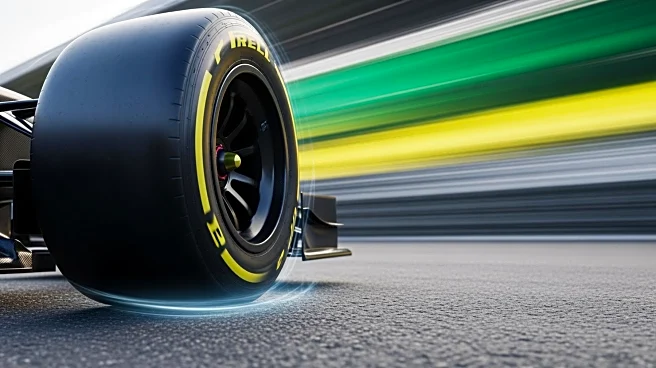
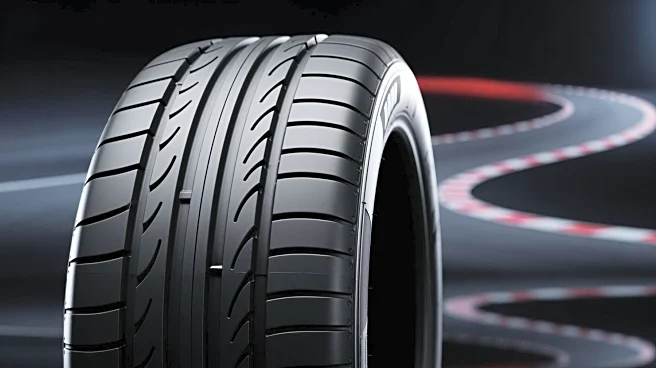
as a more affordable and competitive platform for aspiring Formula One drivers. The series was organized by Bruno Michel and aimed to provide a level playing field by mandating the use of the same chassis, engine, and tire suppliers for all teams. This approach ensured that the focus remained on driver skill rather than technological advantages.
The inaugural season in 2005 saw Nico Rosberg emerge as the first champion, securing a seat with the Williams F1 team the following year. The series quickly gained a reputation for producing talented drivers, with Lewis Hamilton winning the championship in 2006 and moving to McLaren in Formula One.
Key Developments and Changes
Over the years, the GP2 Series underwent several changes to enhance its competitiveness and alignment with Formula One. In 2010, the GP3 Series was introduced as a feeder class to GP2, further strengthening the development pathway for young drivers. The series also expanded its calendar to include races outside Europe, such as those in Malaysia and Singapore, providing drivers with diverse racing experiences.
In 2012, the GP2 and GP2 Asia Series were combined into a single, longer series, streamlining the competition and increasing its global appeal. The series continued to evolve, with the introduction of the Drag Reduction System (DRS) in 2015, mirroring the technology used in Formula One to enhance overtaking opportunities.
The Transition to FIA Formula 2
By the end of the 2016 season, the GP2 Series had firmly established itself as a premier platform for nurturing future Formula One talent. The series had produced several successful drivers, including Pierre Gasly, who won the final GP2 championship before the rebranding.
In 2017, the series was rebranded as the FIA Formula 2 Championship, marking a new chapter in its history. This transition aimed to further integrate the series with the Formula One ecosystem, providing a more seamless progression for drivers aspiring to reach the pinnacle of motorsport.
The GP2 Series played a pivotal role in shaping the careers of many Formula One drivers, and its legacy continues under the FIA Formula 2 Championship. Its emphasis on driver skill and competitive racing has left an indelible mark on the motorsport world.