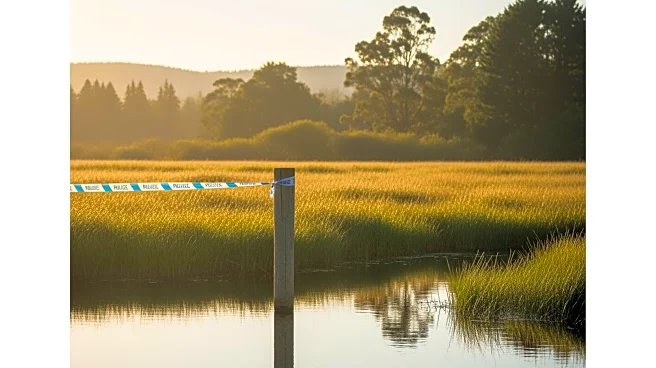

The National Wildlife Refuge System has played a crucial role in wildlife conservation and habitat protection in the United States. Established to safeguard the nation's natural heritage, the system has grown
to encompass over 570 refuges, each contributing to the preservation of diverse ecosystems. This article examines the impact of the refuge system on conservation efforts across the country.
Protecting Diverse Ecosystems
One of the primary contributions of the National Wildlife Refuge System is the protection of diverse ecosystems. The system includes a wide range of habitat types, from wetlands and prairies to coastal and marine areas. This diversity ensures the conservation of various species and ecological communities, providing critical habitats for wildlife.
The establishment of refuges like the Pelican Island National Wildlife Refuge in 1903 marked the beginning of a concerted effort to protect specific species and their habitats. Over the years, the system has expanded to include refuges that safeguard endangered species, migratory birds, and other wildlife. This expansion has been driven by public concern and legislative support, reflecting a growing awareness of the importance of habitat preservation in conservation efforts.
Legislative Support and Conservation Initiatives
The success of the National Wildlife Refuge System in conservation can be attributed to strong legislative support. Key legislative acts, such as the Migratory Bird Treaty Act of 1918 and the National Wildlife Refuge System Administration Act of 1966, have provided the framework for the establishment and management of refuges. These acts emphasize the protection and conservation of wildlife, ensuring that refuges are managed in ways that align with their conservation purposes.
In addition to legislative support, the system has benefited from various conservation initiatives. The Migratory Bird Hunting and Conservation Stamp Act, also known as the Duck Stamp Act, has provided a continuous source of funding for the acquisition of migratory bird habitats. This funding has facilitated the expansion of the refuge system, allowing for the protection of critical habitats and the conservation of migratory species.
Challenges and Future Directions
Despite its successes, the National Wildlife Refuge System faces ongoing challenges in conservation. Habitat loss, climate change, and invasive species continue to threaten wildlife and ecosystems. To address these challenges, the system has adopted a comprehensive approach to conservation, emphasizing the importance of maintaining biological integrity and supporting wildlife-dependent recreational uses.
Looking to the future, the National Wildlife Refuge System remains committed to its mission of conserving wildlife and habitats. Through continued legislative support, public engagement, and innovative conservation strategies, the system aims to address emerging challenges and ensure the long-term preservation of the nation's natural heritage.