




Terrariums have come a long way since their inception in the 19th century. Originally known as Wardian cases, these glass containers have evolved into both functional and decorative items that are popular in homes today. This article explores the historical journey of terrariums, highlighting their transformation from practical plant transporters to stylish home decor.
The Birth of the Terrarium
The concept of the terrarium was born in 1842, thanks to the curiosity of botanist
Nathaniel Bagshaw Ward. Ward's interest in observing insect behavior led to an accidental discovery when a fern spore germinated in one of his sealed jars. This serendipitous event marked the creation of the first known terrarium, which Ward called a Wardian case. These cases quickly gained popularity during the Victorian Era in England, as they allowed for the safe transport and display of plants.
Wardian cases were initially used to transport native British plants to far-off places like Sydney, Australia. The success of these cases in keeping plants alive during long journeys demonstrated their effectiveness in creating a controlled environment. This innovation was crucial for the British Empire, as it facilitated the exchange of plant species across continents, contributing to botanical studies and the spread of horticultural knowledge.
The Victorian Obsession
During the Victorian Era, Wardian cases became a symbol of status and sophistication. They were not only used for practical purposes but also became fashionable items in homes. The ability to maintain tropical plants in the often harsh British climate made these cases highly desirable. As a result, they became a staple in Victorian households, showcasing exotic plants and serving as a testament to the owner's knowledge and appreciation of botany.
The popularity of Wardian cases also spurred interest in botany and plant collection among the general public. People began to experiment with different plant species, leading to a greater understanding of plant care and cultivation. This period marked the beginning of a cultural shift towards indoor gardening, a trend that continues to this day.
Modern Terrariums
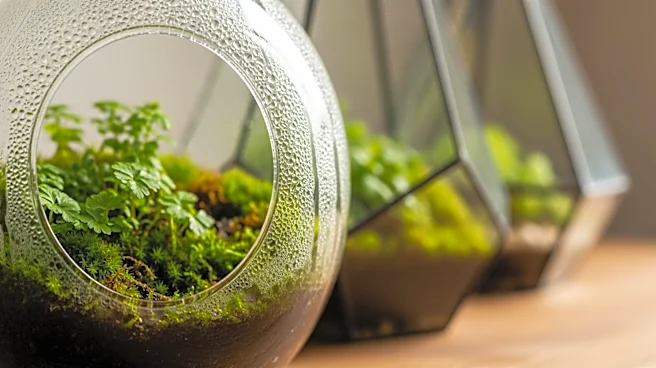
Today, terrariums have evolved into a diverse range of designs, from simple open containers to elaborate closed ecosystems. Modern terrariums are often used as decorative items, creating miniature landscapes that bring a touch of nature indoors. They can be found in various shapes and sizes, catering to different aesthetic preferences and plant care needs.
The evolution of terrariums reflects a broader trend towards sustainable and mindful living. As people seek to reconnect with nature, terrariums offer a way to incorporate greenery into urban environments. Whether used for their aesthetic appeal or their ability to create a controlled environment for plant growth, terrariums continue to captivate and inspire plant enthusiasts around the world.