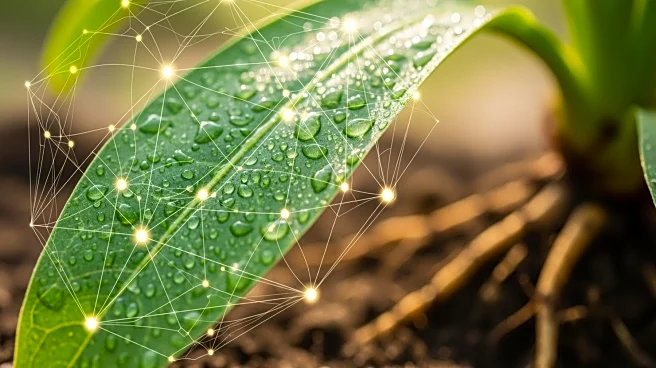




Nanotechnology, a rapidly evolving field, has far-reaching implications across numerous sectors, including medicine, the environment, and industry. This article delves into the diverse applications and potential impacts of nanotechnology, highlighting its benefits and challenges. As an emerging technology, nanotechnology holds the promise of revolutionizing various aspects of life, but it also raises important societal and ethical questions.
Medical Applications and Health Impacts
Nanotechnology
has made significant strides in the medical field, particularly through the development of nanomedicine. This branch of medicine utilizes nanomaterials and nanoelectronic biosensors to create advanced drug delivery systems, new therapies, and in vivo imaging techniques. The potential for nanotechnology to revolutionize medicine is immense, with research focusing on neuro-electronic interfaces and cell repair machines that could transform healthcare.
However, the health impacts of nanotechnology are not solely positive. The field of nanotoxicology studies the potential health risks posed by nanomaterials. Due to their small size, nanoparticles can be readily absorbed by the human body, potentially leading to adverse effects. Concerns include the accumulation of non-degradable nanoparticles in organs and their interaction with biological processes. As such, each new nanomaterial must be individually assessed for safety.
Environmental Applications and Concerns
Nanotechnology also offers promising solutions for environmental challenges. Green nanotechnology aims to enhance the sustainability of processes that produce negative externalities. This includes developing clean technologies that minimize environmental and human health risks. For instance, nanotechnology can improve water purification systems and energy efficiency, contributing to a more sustainable future.
Despite these benefits, there are concerns about the environmental impact of nanotechnology. Nanopollution, or the waste generated by nanodevices, poses a potential threat to ecosystems. The release of engineered nanoparticles into the environment could have unforeseen consequences, necessitating careful regulation and monitoring to mitigate risks.
Societal and Ethical Implications
Beyond its technical applications, nanotechnology raises broader societal and ethical questions. The potential for a "nano divide"—a gap between those who control nanotechnologies and those whose livelihoods are affected by them—highlights the need for equitable distribution of benefits. Additionally, the possibility of a nano arms race and increased surveillance capabilities poses significant challenges to international relations and civil liberties.
Public participation in the governance of nanotechnology is crucial to addressing these concerns. Engaging diverse stakeholders in decision-making processes can help ensure that nanotechnology development aligns with social objectives and addresses potential risks. As nanotechnology continues to evolve, it is essential to balance its transformative potential with responsible and ethical development.