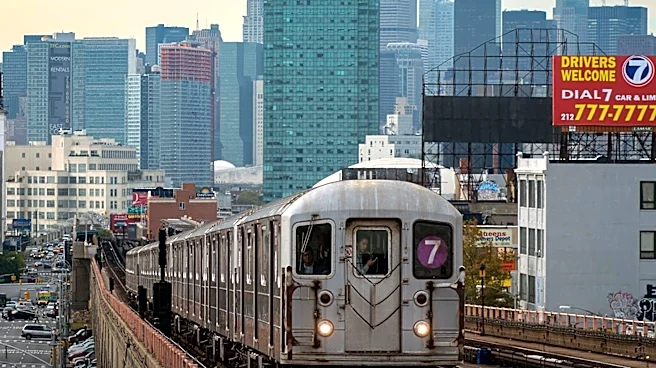











The New York City Transit Authority (NYCTA) has played a pivotal role in shaping urban transportation and city life since its inception in 1953. As a key component of the Metropolitan Transportation Authority (MTA), the NYCTA operates the largest and busiest transit system in North America, serving millions of passengers daily. This article explores the significant impact of the NYCTA on urban transportation, highlighting its influence on city planning,
economic development, and the daily lives of New Yorkers.
Transforming Urban Mobility
The establishment of the NYCTA marked a turning point in urban mobility for New York City. By consolidating the management of subways, buses, and other transit services, the NYCTA created a more efficient and coordinated transportation network. This integration allowed for better resource allocation and improved service delivery, making public transportation a more viable option for city residents.
The NYCTA's efforts to modernize and expand the transit system have had a lasting impact on urban mobility. The introduction of new subway cars and the expansion of subway lines have increased capacity and reduced travel times, making it easier for people to navigate the city. The agency's focus on improving accessibility and connectivity has also enhanced the overall transit experience, encouraging more people to rely on public transportation for their daily commutes.
Economic and Social Implications
The NYCTA's influence extends beyond transportation, significantly impacting the city's economy and social fabric. By providing reliable and affordable transit options, the NYCTA has facilitated economic growth and development in New York City. The transit system enables workers to access job opportunities across the city, supporting businesses and contributing to the local economy.
Moreover, the NYCTA has played a crucial role in promoting social equity and inclusion. Public transportation provides essential mobility for low-income and marginalized communities, offering access to education, healthcare, and other vital services. The agency's commitment to maintaining affordable fares and expanding service coverage has helped bridge the gap between different socioeconomic groups, fostering a more inclusive and connected city.
Challenges and Opportunities
Despite its successes, the NYCTA has faced numerous challenges in its efforts to improve urban transportation. Financial constraints, aging infrastructure, and increasing ridership have put pressure on the transit system, necessitating ongoing investments in maintenance and upgrades. The agency has had to balance the need for fare increases with the goal of keeping public transportation accessible to all.
In recent years, the NYCTA has embraced new technologies and innovative solutions to address these challenges. The implementation of communication-based train control (CBTC) and other advanced systems has improved service reliability and efficiency. Additionally, the agency has explored alternative funding sources and partnerships to support its modernization efforts, ensuring the continued growth and sustainability of the transit system.
Looking Ahead: The Future of Urban Transportation
As New York City continues to grow and evolve, the NYCTA will play a critical role in shaping the future of urban transportation. The agency's ongoing commitment to expanding and modernizing the transit system will be essential in meeting the needs of a diverse and dynamic population. By investing in infrastructure improvements and embracing new technologies, the NYCTA can enhance the quality of life for city residents and support sustainable urban development.
The NYCTA's impact on urban transportation and city life is undeniable. As a vital component of the MTA, the agency has transformed the way people move around New York City, contributing to its economic vitality and social cohesion. Looking ahead, the NYCTA's continued efforts to innovate and adapt will be crucial in ensuring the city's transportation system remains a cornerstone of urban life.