






Manicures are a popular cosmetic treatment for the fingernails and hands, offering both aesthetic and therapeutic benefits. Whether performed at home or in a salon, manicures involve a series of steps designed to enhance the appearance and health of the nails and skin. This article delves into the intricate process of manicures, highlighting the various techniques and tools used to achieve beautiful and well-groomed nails.
The Manicure Process
A typical manicure begins
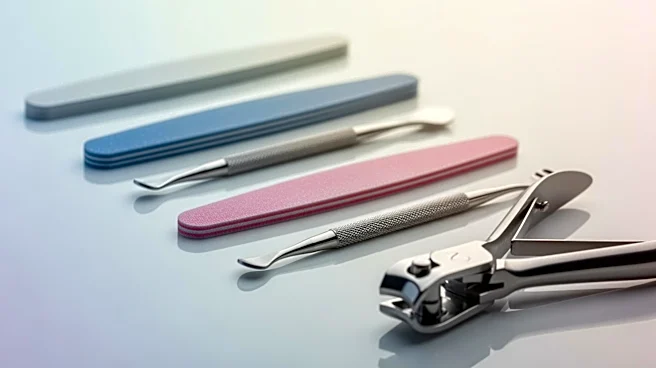
with the filing and shaping of the nails. This step is crucial as it sets the foundation for the rest of the treatment. Nail technicians use a variety of tools, such as nail files and buffers, to achieve the desired nail shape, which can range from square to oval or even the trendy squoval. The shaping process not only enhances the appearance of the nails but also helps prevent breakage and splitting.
Following the shaping, attention is turned to the cuticles. Cuticle care is an essential part of the manicure process, as it involves pushing back and trimming any nonliving tissue around the nail bed. This is done using specialized tools like cuticle pushers and nippers. Proper cuticle care not only improves the overall look of the nails but also promotes healthy nail growth by preventing hangnails and infections.
Enhancements and Polish
Once the nails are shaped and the cuticles are cared for, the next step is often the application of nail polish. This can range from a simple clear coat to intricate designs and colors. Some manicures include the use of artificial enhancements such as acrylics or gels, which provide added length and durability. These enhancements are popular for those looking to achieve a specific nail look or for those with naturally weak nails.
Nail art is another popular aspect of manicures, allowing for creative expression through designs and embellishments. From simple stripes to elaborate 3D designs, nail art can be customized to suit any style or occasion. The use of decals, jewels, and other decorative elements can transform a basic manicure into a work of art.
The Importance of Sanitation
Sanitation is a critical component of the manicure process, especially in salon settings. Proper sanitation practices help prevent the spread of infections and ensure a safe experience for clients. Tools and equipment must be thoroughly cleaned and sterilized between uses, and many salons offer personal nail kits to clients to further reduce the risk of contamination.
In addition to tool sanitation, the overall cleanliness of the salon environment is important. This includes regular cleaning of workstations and the use of disposable items where possible. By adhering to strict sanitation protocols, nail technicians can provide a safe and enjoyable manicure experience for their clients.