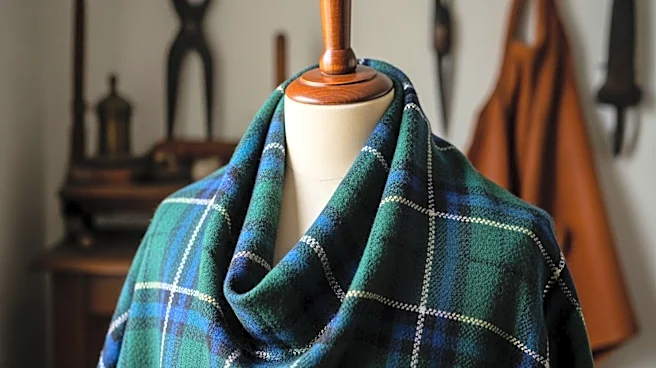








The kilt, a symbol of Scottish heritage, has undergone significant transformations since its inception. Originally a full-length garment known as the great kilt, it has evolved into the modern kilt we recognize today. This article delves into the historical journey of the kilt, highlighting its evolution from a practical Highland dress to a cultural icon.
The Great Kilt: Origins and Function
The kilt's history dates back to the 16th century when it first appeared as the great kilt, or belted
plaid. This full-length garment was made from thick woolen cloth and was versatile in its use. The upper half could be worn as a cloak draped over the shoulder or brought up over the head for protection against the elements. The great kilt was not just a piece of clothing but a multifunctional item that served as a blanket and a protective layer against harsh weather.
The great kilt was particularly suited to the rugged lifestyle of the Scottish Highlands. It allowed for quick marches and provided warmth and shelter in the wilderness. The garment's design, with its pleats and wide belt, made it practical for the Highlanders, who often had to wade through rivers and endure the inclemency of the weather.
Transition to the Small Kilt
By the late 17th or early 18th century, the kilt began to transform into what is known as the small kilt or walking kilt. This version was essentially the bottom half of the great kilt, making it more convenient for everyday wear. The small kilt became popular throughout the Highlands and even in some parts of the Lowlands.
The transition to the small kilt is often attributed to Thomas Rawlinson, an English Quaker, who found the great kilt cumbersome for industrial work. He collaborated with a local tailor to create a more practical version, which quickly gained popularity among the Highlanders. This adaptation marked a significant shift in the kilt's design, making it more accessible and easier to wear.
The Modern Kilt and Its Cultural Significance
The modern kilt, as we know it today, emerged in the 19th century. It became a symbol of Scottish identity and pride, especially after the lifting of the Dress Act, which had banned traditional Highland dress. The kilt's association with Scottish culture was further solidified during the visit of King George IV to Scotland in 1822, where it was prominently featured.
Today, the kilt is worn on various occasions, from formal events to casual gatherings. It has transcended its practical origins to become a cultural emblem, representing Scottish heritage and tradition. The kilt's journey from the great kilt to its modern form is a testament to its enduring appeal and adaptability.