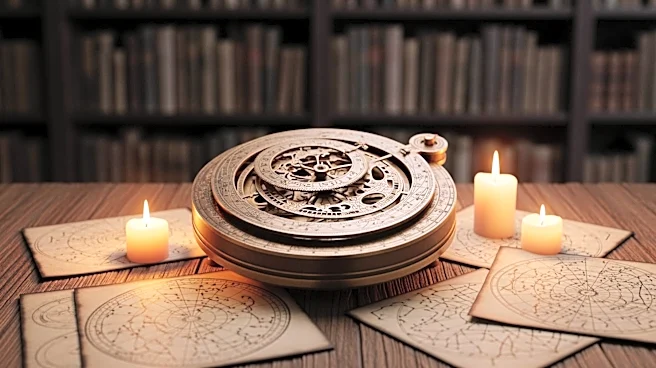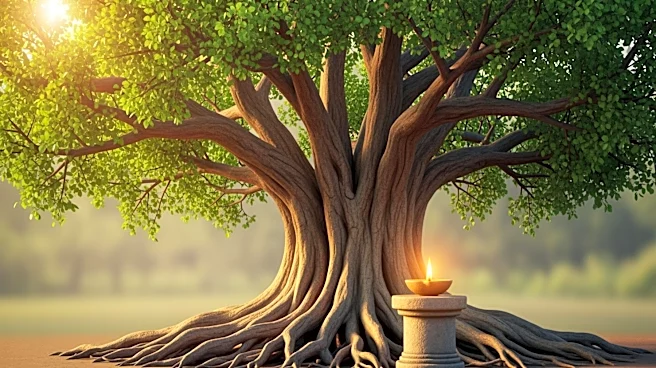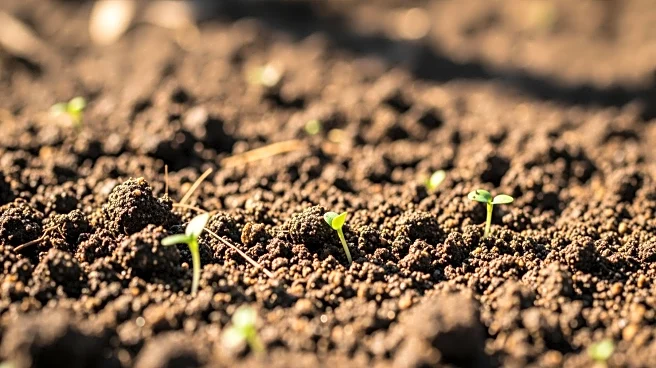




Earth is one of the four classical elements, alongside air, fire, and water, and holds a significant place in various philosophical and spiritual traditions. In ancient Greek philosophy, earth was associated with qualities of heaviness and matter, representing the terrestrial world. This article delves into the attributes and symbolic meanings of earth across different cultures and systems, highlighting its role in shaping human understanding of the cosmos.
Earth in Ancient Greek Philosophy
In ancient Greek philosophy, earth was considered one of the fundamental elements that composed the universe. Empedocles, a pre-Socratic philosopher, proposed that earth, along with fire, air, and water, were the four archai, or primary elements, that explained the nature of the cosmos. Plato further developed this idea by associating earth with the geometric form of the cube, reflecting its solid and stable nature.
Aristotle, another influential Greek philosopher, viewed earth as the heaviest element. He believed that substances containing earth would naturally fall towards the center of the cosmos, emphasizing its grounding and stabilizing properties. This perspective on earth influenced later occult traditions, where earth was linked to the sensual aspects of life and death.
Earth in Alchemy and Medicine
In alchemy, earth was primarily associated with dryness and coldness, following Aristotle's classification. The element was symbolized by a downward-pointing triangle bisected by a horizontal line, representing its grounding nature. Alchemists also connected earth with the chemical substance salt, further emphasizing its stabilizing qualities.
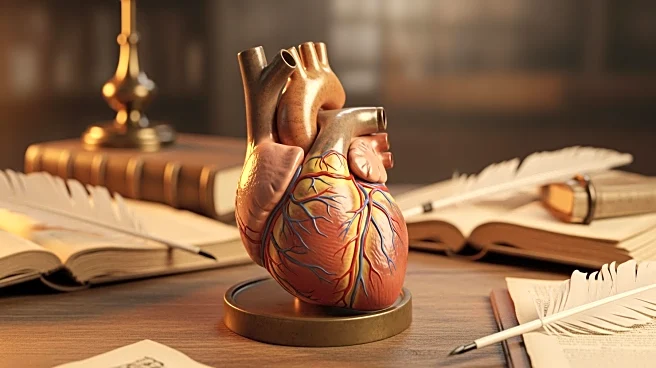
In ancient Greek medicine, earth was linked to the humor of black bile, which was considered cold and dry. This association extended to the melancholic temperament, characterized by introspection and thoughtfulness. Earth was also connected to the season of fall, which increased the qualities of cold and aridity, reflecting its influence on human health and emotions.
Earth in Ceremonial Magic and Modern Traditions
Earth's significance extends into ceremonial magic, where it is incorporated into systems like the Golden Dawn. In this context, earth is associated with the elemental grade of Zelator and the Sephirot of Malkuth. Spiritual beings connected to earth include the archangel Uriel, the angel Phorlakh, and the ruler Kerub, among others.
Modern witchcraft and Wiccan traditions also recognize earth as one of the five elements, influenced by the Golden Dawn system and Aleister Crowley's mysticism. Earth is often represented by symbols such as the pentacle and is associated with qualities like stability, nurturing, and balance. These attributes continue to resonate in contemporary spiritual practices, highlighting earth's enduring role in human understanding of the natural world.