
The music of the Northern Mariana Islands is deeply rooted in Chamorro folk traditions, reflecting a rich cultural heritage shaped by various colonial influences. These traditions form the backbone of the islands' musical identity, offering a unique blend of sounds and styles that have evolved over time. This article delves into the Chamorro folk traditions that dominate the musical landscape of the Northern Mariana Islands, highlighting their historical
significance and cultural impact.
Historical Roots of Chamorro Music
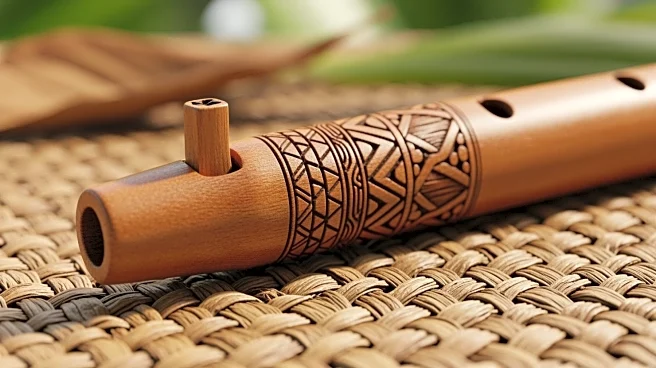
Chamorro folk music is an integral part of the cultural fabric of the Northern Mariana Islands. The Chamorro people, indigenous to the region, have a long history of musical expression that predates colonial influences. Their music traditionally features vocal performances accompanied by simple instruments, creating a sound that is both distinctive and evocative of the islands' natural beauty.
Over the centuries, Chamorro music has absorbed elements from various colonizers, including the Spanish, Germans, Japanese, and Americans. Each of these cultures left a mark on the musical traditions of the islands, contributing to the diverse soundscape that exists today. Despite these influences, Chamorro folk music has retained its core identity, serving as a testament to the resilience and adaptability of the Chamorro people.
Cultural Significance of Chamorro Music
Chamorro folk music is more than just entertainment; it is a vital expression of cultural identity and community values. Music plays a central role in social gatherings, ceremonies, and celebrations, helping to strengthen communal bonds and preserve cultural heritage. Through music, the Chamorro people pass down stories, traditions, and values from one generation to the next.
The stick dance, a popular traditional performance, exemplifies the cultural significance of Chamorro music. This dance, often performed at festivals and community events, showcases the rhythmic and melodic elements of Chamorro music while celebrating the islands' cultural heritage. It is a vibrant expression of identity that brings people together and fosters a sense of belonging.
Modern Influences and Evolution
While Chamorro folk traditions remain a dominant force in the music of the Northern Mariana Islands, modern influences have also shaped its evolution. The islands' exposure to global music trends and technologies has led to the incorporation of new styles and genres, creating a dynamic musical landscape.
Contemporary musicians in the Northern Mariana Islands often blend traditional Chamorro elements with modern sounds, resulting in innovative compositions that appeal to a broader audience. This fusion of old and new reflects the islands' ongoing cultural evolution, as they navigate the complexities of preserving tradition while embracing change.
In conclusion, Chamorro folk traditions continue to play a pivotal role in the music of the Northern Mariana Islands, offering a rich tapestry of sounds and stories that define the islands' cultural identity. As the music evolves, it remains a powerful expression of the Chamorro people's heritage and resilience.