




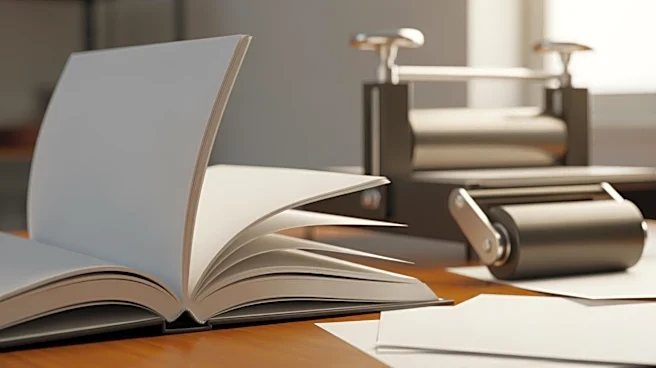
Hardcover books are renowned for their durability and aesthetic appeal, often considered a symbol of quality in the publishing world. The craftsmanship involved in creating these books is a testament to the skill and attention to detail required to produce a product that stands the test of time. This article explores the materials and processes that contribute to the making of hardcover books, highlighting the artistry behind their construction.
Materials Used in Hardcover Books
The
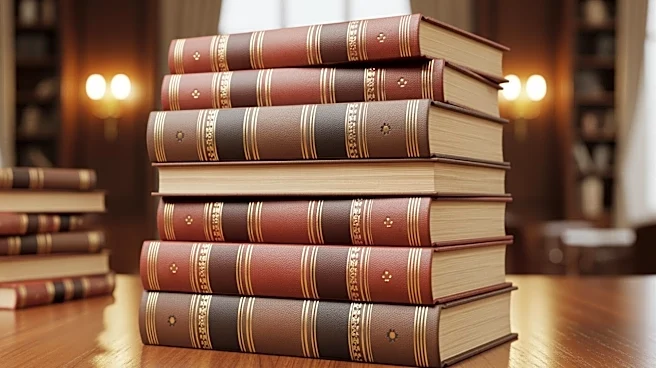
core of a hardcover book is its rigid protective cover, typically made from binder's board or heavy paperboard. This sturdy material forms the backbone of the book, providing the necessary support to protect the pages within. The cover is often wrapped in buckram, cloth, or heavy paper, with some editions featuring leather for a more luxurious finish. These materials are chosen for their durability and ability to withstand wear and tear.
In addition to the cover, the pages of hardcover books are often printed on acid-free paper. This type of paper is designed to resist deterioration over time, ensuring that the book remains in good condition for years to come. The use of acid-free paper is particularly important for preserving the integrity of the text, as it prevents yellowing and brittleness that can occur with lower-quality paper.
The Binding Process
The binding process is a crucial aspect of hardcover book production, involving several steps to ensure the book's durability and functionality. The pages are typically sewn together, creating a flexible spine that allows the book to lie flat when opened. This sewing process is a key differentiator from paperbacks, which often rely on glue to hold the pages together.
Once the pages are sewn, they are glued onto the spine, which is then attached to the boards. This method of construction provides a robust structure that can withstand frequent handling. In some cases, additional reinforcements such as gaze or hulse are used to strengthen the spine further, enhancing the book's longevity.
Decorative Elements and Finishing Touches
Hardcover books often feature decorative elements that enhance their visual appeal. Dust jackets are a common addition, serving both a protective and aesthetic function. These jackets can be adorned with artistic designs, providing a preview of the book's content and enticing potential readers.
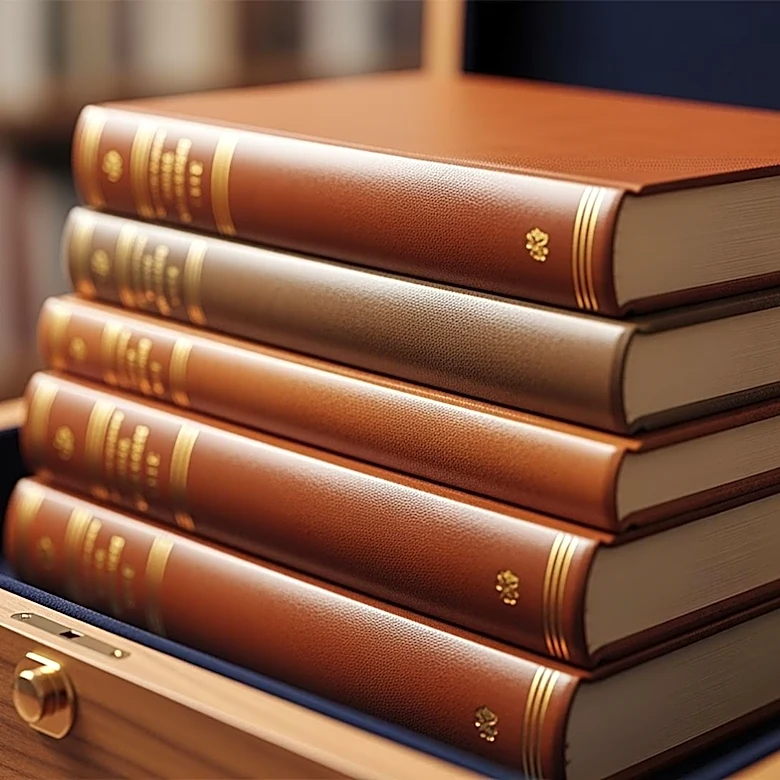
Other decorative features may include embossing, foil stamping, or the use of colored endpapers. These finishing touches add a layer of sophistication to the book, making it a desirable item for collectors and bibliophiles alike. The attention to detail in these elements reflects the craftsmanship and artistry involved in producing a hardcover book.
In conclusion, the craftsmanship behind hardcover books is a blend of traditional techniques and modern innovations. From the selection of materials to the binding process and decorative elements, each step is carefully executed to create a product that is both durable and visually appealing. This dedication to quality ensures that hardcover books remain a cherished part of the literary world.