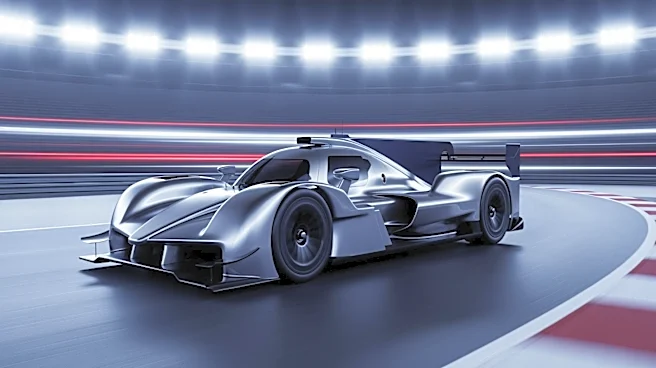

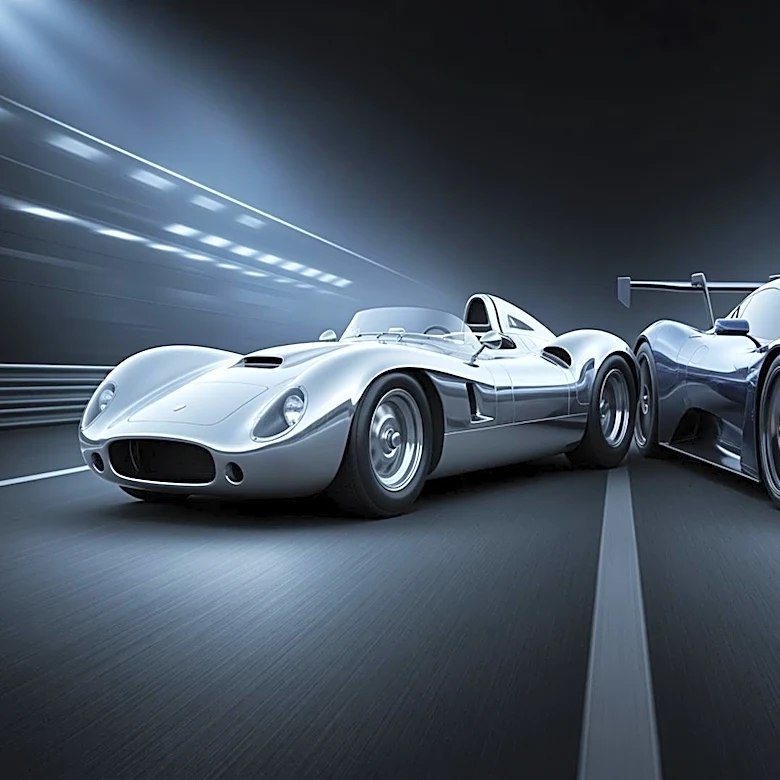



Le Mans Prototype (LMP) racing has been a cornerstone of endurance motorsport, showcasing technological advancements and thrilling competitions. Originating from the need to expand the field of competitors at the 24 Hours of Le Mans, LMP racing has evolved significantly over the years. This article delves into the historical development of LMP racing, highlighting key changes and milestones that have shaped its current form.
The Beginnings of Le Mans Prototype Racing
The concept of Le Mans
Prototype racing began in 1992 at the 24 Hours of Le Mans. The Automobile Club de l'Ouest (ACO) sought to increase the number of entrants beyond the limited Group C competitors. This led to the inclusion of older Porsche 962s and small open-cockpit race cars using production road car engines. These early prototypes laid the groundwork for what would become the LMP classes.
In the mid-1990s, the ACO announced its intention to replace Group C cars entirely with Le Mans Prototypes. Two classes were established: LMP1, featuring large displacement custom-built engines, and LMP2, utilizing smaller displacement production-based engines. Both classes initially required open cockpits, although some LMP1 cars retained closed cockpits from their Group C origins.
Expansion and Refinement
The late 1990s and early 2000s saw significant expansion and refinement of LMP racing. Manufacturers like Ferrari, Porsche, and Mazda embraced the LMP and World Sports Cars (WSC) classes. The introduction of the International Sports Racing Series in 1997 further solidified the presence of LMP racing in Europe, using classes similar to LMP1/WSC and LMP2.
In 1998, the ACO allowed the creation of the American Le Mans Series, mirroring the class structure of the 24 Hours of Le Mans. This period also saw the brief elimination of the LMP2 class and the introduction of closed-cockpit prototypes known as LMGTP. These cars were evolutions of production-based road cars, considered too advanced for GT class regulations.
Modern Developments and Regulations
In recent years, LMP racing has continued to evolve with new regulations aimed at reducing costs and increasing competitiveness. The FIA introduced a new set of LMP2 regulations in 2017, locking them in through 2027. These rules allowed for a significant power increase and mandated closed-cockpit designs.
Before the 2021 season, LMP2 cars were slowed down to ensure a lap time difference between LMP2 and the Le Mans Hypercar class. The power of the Gibson engine was reduced, and the minimum weight increased. These changes reflect the ongoing efforts to balance performance and cost in LMP racing.
Le Mans Prototype racing remains a dynamic and evolving field, continually adapting to technological advancements and competitive demands. Its rich history and ongoing development ensure its place as a premier category in endurance motorsport.