



The push press is a popular exercise in weight training, known for its ability to develop shoulder strength and enhance overall body coordination. By incorporating a leg drive, it allows lifters to handle heavier weights than a traditional shoulder press. However, like any exercise, it comes with its own set of benefits and potential drawbacks. This article will explore the advantages of the push press and discuss some of the limitations that lifters should be aware
of.
Advantages of the Push Press
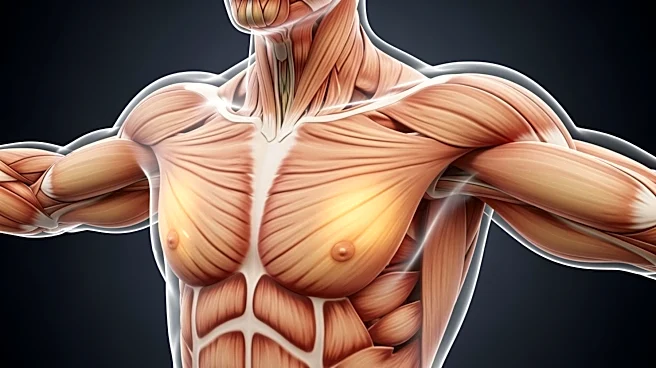
One of the primary benefits of the push press is its ability to improve upper body strength, particularly in the shoulders. The exercise targets the anterior deltoids, but also engages the triceps, core, and legs, making it a comprehensive compound movement. This multi-muscle engagement not only builds strength but also enhances coordination and balance.
The push press is also effective for developing power, which is crucial for athletes involved in sports that require explosive movements. The leg drive used in the push press mimics the power transfer needed in activities like sprinting and jumping. Additionally, the exercise can help lifters overcome sticking points in other lifts, such as the clean and jerk, by training the body to generate force from the legs through the torso and into the arms.
Potential Drawbacks of the Push Press
Despite its benefits, the push press has some limitations that lifters should consider. One potential drawback is that the momentum generated by the legs can lead to underdevelopment of the bottom portion of the range of motion. This means that while the middle and end portions of the lift are well-trained, the initial phase may not receive as much attention. To address this, lifters can start with a shoulder press and transition to a push press as they fatigue.
Another consideration is the risk of injury, particularly when performing variations like the behind-the-neck push press. This variation can place undue stress on the shoulders and neck, increasing the likelihood of injury. Lifters should ensure they have the necessary mobility and strength before attempting such variations.
Conclusion
The push press is a valuable exercise for those looking to build upper body strength and power. Its ability to engage multiple muscle groups and improve coordination makes it a staple in many training programs. However, lifters should be mindful of its potential drawbacks and take steps to mitigate any risks. By understanding both the benefits and limitations of the push press, individuals can incorporate it safely and effectively into their fitness routines.