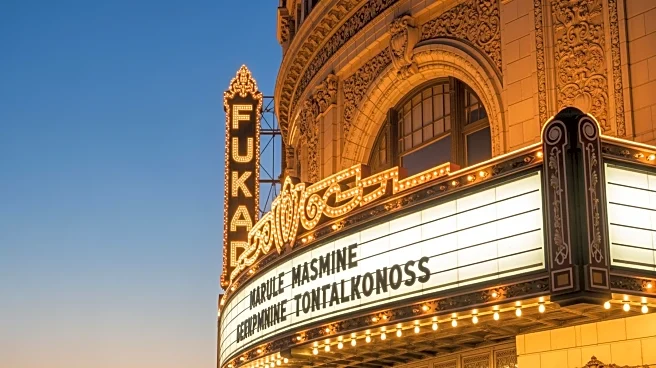




The Orpheum Theatre in Phoenix, Arizona, stands as a testament to the rich cultural history of the city. Originally opened in 1929, this iconic venue has undergone significant transformations over the decades. From its early days as a vaudeville theater to its modern role as a hub for performing arts, the Orpheum Theatre's journey is a fascinating tale of resilience and revival.
Early Beginnings and Architectural Marvel
Construction of the Orpheum Theatre began in 1927 and was completed in 1929,
costing a total of $750,000. Designed by architects Lescher & Mahoney, with Hugh Gilbert associated, the theater was built by the McGinty Construction Company. The architectural style chosen was Spanish Revival, a subset of Spanish Baroque architecture, which was popular at the time. The intricate murals and moldings were designed to give patrons the impression of enjoying shows "al fresco," or in the open air, adding to the theater's unique charm.
The Orpheum Theatre was initially part of the nationwide Orpheum Circuit, a chain of vaudeville and movie theaters. This connection brought a variety of vaudeville acts to Phoenix, making the theater a cultural hotspot in the city. The theater's early years were marked by a vibrant mix of performances that drew audiences from all over the region.
Changes in Ownership and Purpose
In the 1940s, the Orpheum Theatre was purchased by the Paramount Pictures chain and was renamed "The Paramount." This change marked a shift in the theater's focus, as it began to show more films alongside live performances. In the 1960s, the theater was acquired by Nederlander and became a stop on the Broadway circuit, further diversifying its offerings.
During the mid-1970s and early 1980s, the theater was leased to the local Mexican enterprising Corona family, who presented a wide variety of Hispanic events and movies. This period saw the theater's murals and moldings painted black to accommodate Spanish films, as it was thought that the decorations might detract from the films being shown.
Restoration and Modern Revival
After years of decline, the city of Phoenix purchased the Orpheum Theatre in 1984. A 12-year, $14 million restoration project was undertaken, led by the Conrad Schmitt Studios. The theater reopened on January 28, 1997, with a performance of "Hello, Dolly!" starring Carol Channing. This marked a new era for the Orpheum, as it was placed on the National Register of Historic Places in 1985.
Today, the Orpheum Theatre is home to the Phoenix Opera and hosts a variety of events, including concerts, Broadway musicals, and performances by Ballet Arizona. Its restoration and continued use highlight the community's commitment to preserving this historic venue for future generations.