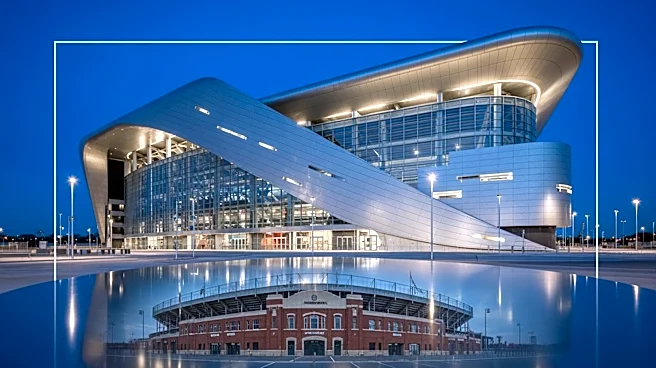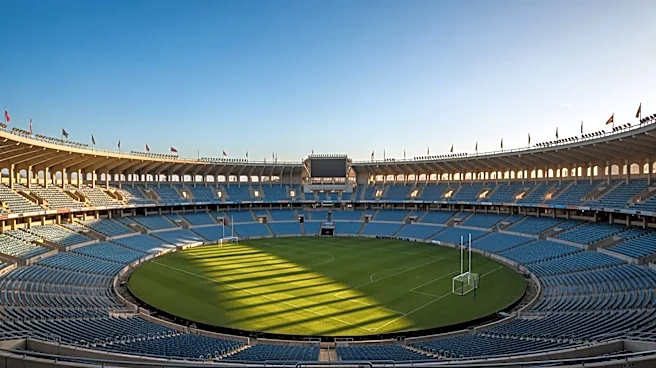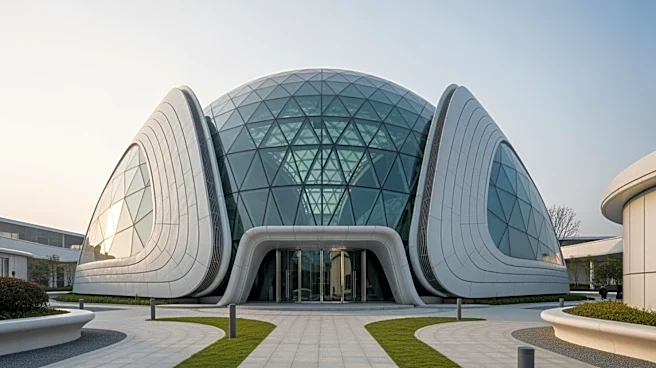

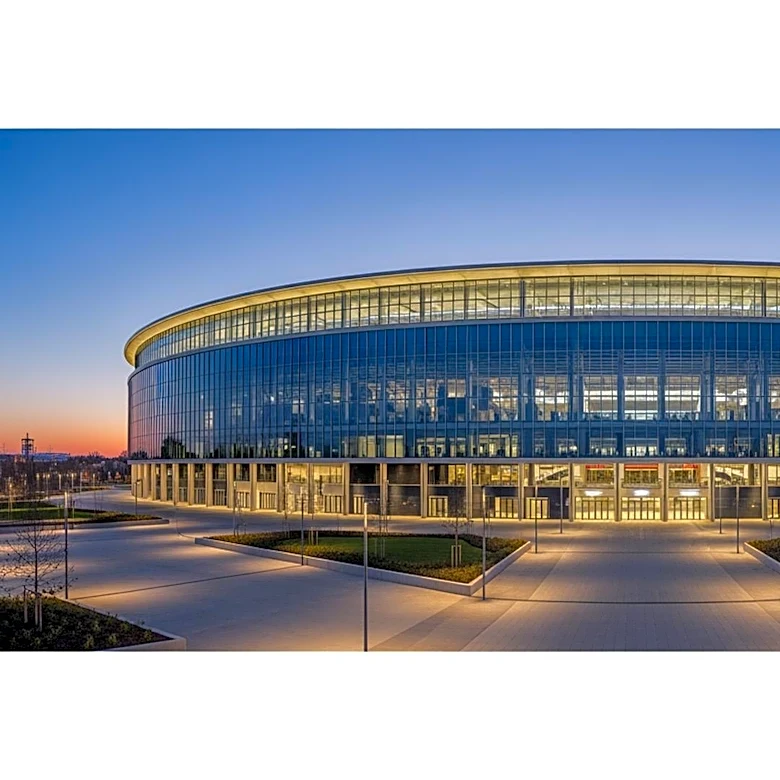
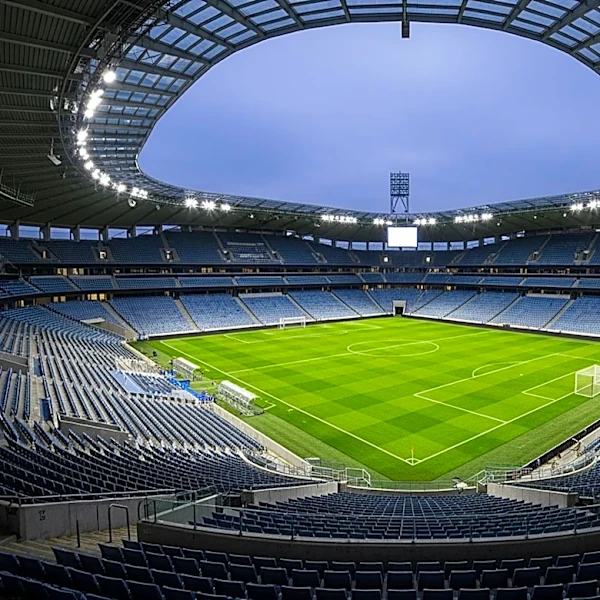
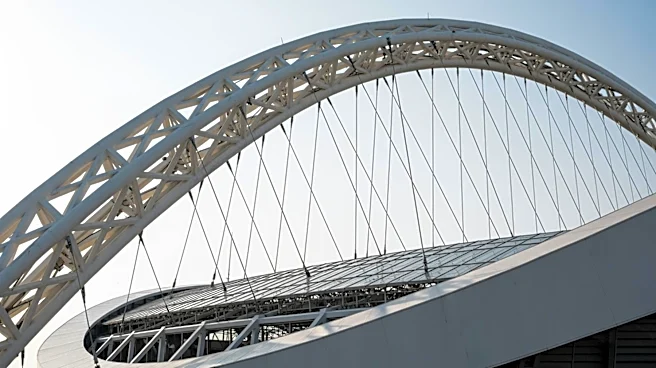
Crasus Dome Oita, located in the city of Ōita, Japan, is a remarkable example of modern stadium architecture. Designed by the renowned architect Kisho Kurokawa, this multi-purpose stadium stands out not only for its functionality but also for its innovative design features. Opened in 2001, the stadium was initially built to host events for the 2002 FIFA World Cup, and it has since become a significant landmark in the region.
Design and Construction
The design of Crasus Dome
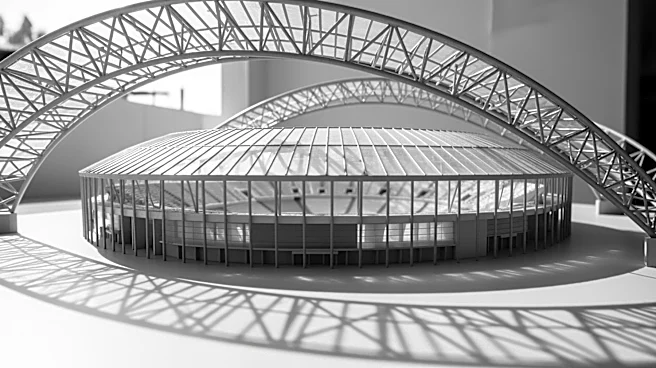
Oita was led by Kisho Kurokawa and his firm, Kisho Kurokawa Architect & Associates. The construction was managed by a group led by the Takenaka Corporation, ensuring that the stadium was built to the highest standards. The stadium's retractable roof is one of its most striking features, utilizing a wire traction system that allows the roof to open or close in just 20 minutes. This feature not only adds to the aesthetic appeal of the stadium but also enhances its functionality, allowing it to host a variety of events regardless of weather conditions.
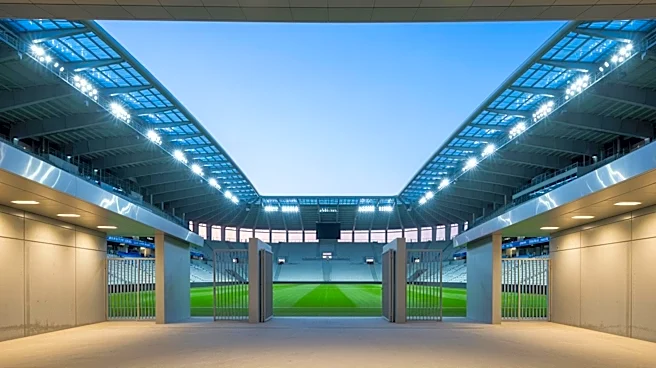
The stadium covers a building area of 51,830 square meters, with a total floor area of 92,882 square meters. The covered area spans 29,000 square meters, providing ample space for spectators and events. The stand inclination reaches a maximum angle of 33 degrees, ensuring excellent visibility for all attendees. Initially, the stadium had a capacity of 43,000, but after the 2002 FIFA World Cup, 3,000 movable seats were removed, reducing the capacity to 40,000.
Naming Evolution
Since its opening, the stadium has undergone several name changes due to various sponsorship deals. Originally named Ōita Stadium, it was renamed Kyushu Oil Dome in 2006 following a sponsorship agreement with Kyushu Oil. In 2010, the name changed to Ōita Bank Dome when Ōita Bank acquired the naming rights. In 2019, the stadium was renamed Showa Denko Dome Oita after Showa Denko acquired the rights. Most recently, in January 2025, the stadium was renamed Crasus Dome Oita, following a sponsorship deal with Crasus Chemical Co., Ltd, a subsidiary of Resonac.
Multifunctional Use
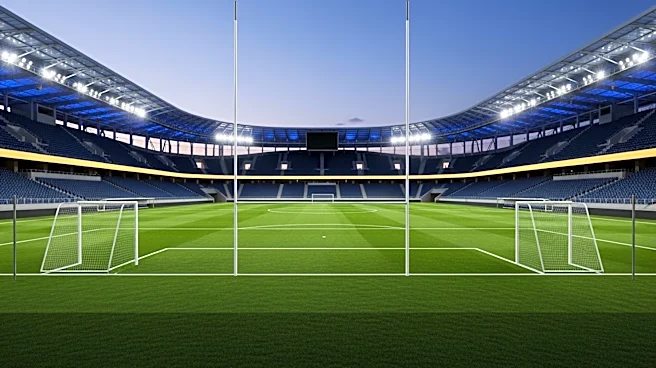
Crasus Dome Oita is primarily used for football and serves as the home field for the J.League club Ōita Trinita. However, its multifunctional design allows it to host a variety of events, including rugby matches and concerts. The stadium has been a venue for major sports events such as the 2002 FIFA World Cup and the 2019 Rugby World Cup, showcasing its versatility and importance as a sports venue in Japan.
The stadium's ability to adapt to different types of events makes it a valuable asset to the city of Ōita and the surrounding region. Its architectural design and multifunctional capabilities continue to attract visitors and sports enthusiasts from around the world.