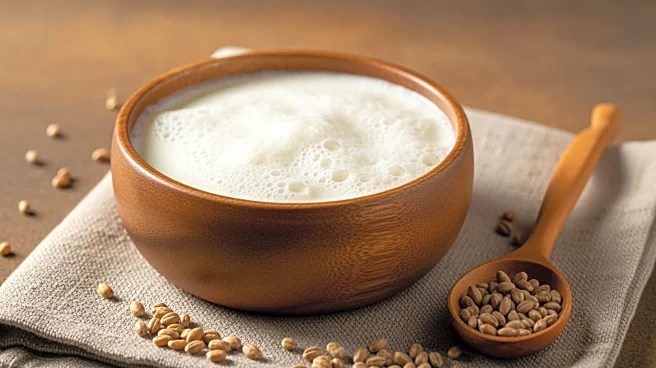




Ayran, a cold savory yogurt-based beverage, has a rich history that spans centuries and regions. Originating from Central Asia, the Balkans, and the Middle East, Ayran is made from yogurt, water, and salt, with optional herbs like mint. Its historical roots are intertwined with the culinary traditions of Turkic tribes, and it has evolved into various regional variations over time.
Origins and Etymology
The history of Ayran dates back to the 11th century, where it is mentioned
in Mahmud al-Kashgari's Dīwān Lughāt al-Turk. Although the text does not detail the preparation method, it highlights the drink's longstanding presence in Turkic culture. The word Ayran is derived from the Old Turkic root adır-, meaning "to separate," which is related to the Turkish word ayır-. This etymology reflects the traditional method of preparing Ayran by separating the butter from the liquid during the churning process.
Ayran's historical significance is further underscored by its mention alongside similar drinks like airag in Mongolian, meaning 'mare milk,' and uyran in Chuvash, meaning 'buttermilk.' These references indicate the widespread consumption and cultural importance of yogurt-based beverages across different regions.
Regional Variations
Over time, Ayran has evolved into various regional variations, each with its own unique characteristics. In Turkey, Ayran is a national drink, with variations like Susurluk Ayranı and Yayık Ayranı showcasing different preparation methods. Susurluk Ayranı is known for its frothy texture, achieved by rapidly pouring the drink back into the vat, while Yayık Ayranı is made using a mixing method that results in a very frothy drink.
In Afghanistan, Ayran is known as doogh or shromba and is made with yogurt, salt, mint, diced cucumbers, lime, and sometimes carbonated. This variation reflects the local culinary preferences and highlights the adaptability of Ayran to different ingredients. Similarly, in Albania, Ayran is referred to as dhallë and is made exclusively with yogurt, salt, and water, served cold.
Modern Adaptations
Today, Ayran continues to be a popular beverage across various regions, with modern adaptations reflecting local tastes and preferences. In Southern Cyprus, ayrani is made with sour sheep yogurt, water, salt, and mint, showcasing the drink's versatility. In Balkan countries, Ayran is typically consumed for breakfast or lunch, often paired with pastries like banitsa or börek.
Despite its historical roots, Ayran has faced challenges in maintaining its popularity. In Turkey, sales of Ayran have lagged behind other non-alcoholic beverages, with consumption declining during Ramadan from 2010 to 2015. However, its cultural significance remains strong, with prominent figures like Recep Tayyip Erdoğan promoting Ayran as a national drink.
Ayran's journey from its historical origins to modern adaptations highlights its enduring appeal and cultural significance across regions. As a versatile and refreshing beverage, Ayran continues to be a staple in the culinary traditions of many countries.