





In 1903, George A. Wyman embarked on a remarkable journey across the United States, becoming the first person to complete a transcontinental crossing by motor vehicle. His adventure was not only a test of endurance but also a battle against diverse geographical and environmental challenges.
Navigating the Sierra Nevada and Nevada Desert
Wyman's journey began in San Francisco, where he set off on his 1902 California Motor Company motor bicycle. The first major obstacle he faced was the Sierra Nevada,
a mountain range known for its rugged terrain and unpredictable weather. Riding a motorbike with a 1.5-hp engine, Wyman navigated the challenging paths, showcasing the capabilities of motorized travel.
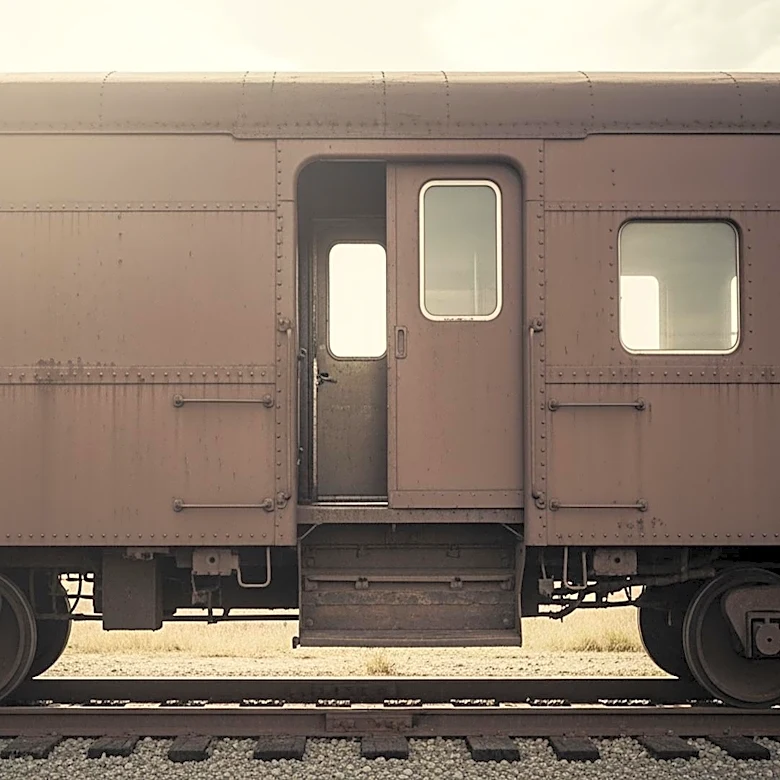
After crossing the Sierra Nevada, Wyman entered the Nevada desert, a stark contrast to the mountainous region he had just traversed. The desert's harsh conditions tested Wyman's resilience, as he rode along railroad tracks to avoid impassable dirt trails. Despite the unforgiving environment, Wyman's determination and resourcefulness allowed him to continue his journey.
Overcoming Mechanical Failures
As Wyman progressed through Wyoming and Nebraska, he encountered numerous mechanical failures. His motorbike suffered several breakdowns, requiring him to make improvised repairs. In Aurora, Illinois, the engine's crankshaft snapped, forcing Wyman to pedal to Chicago, where he waited for a replacement part.
These mechanical challenges were compounded by the varying terrains Wyman encountered. From the flat plains of Nebraska to the bustling streets of Chicago, each region presented its own set of obstacles. Wyman's ability to adapt and overcome these challenges was a testament to his ingenuity and perseverance.
The Final Stretch to New York City
The last leg of Wyman's journey took him through Indiana, Ohio, and Pennsylvania before entering New York state. Outside Albany, his engine lost all power, compelling him to pedal the remaining 150 miles to New York City. This final stretch was a grueling test of endurance, as Wyman navigated cycle paths reserved for licensed cyclists.
On July 6, 1903, Wyman arrived in New York City, completing his transcontinental crossing. His journey, spanning 3,800 miles, was a triumph over geographical and environmental challenges. Wyman's adventure demonstrated the potential of motorized travel to connect distant regions, paving the way for future innovations in transportation.
Wyman's legacy lives on as a symbol of human ingenuity and the spirit of exploration. His journey through diverse terrains and challenging environments remains an inspiring tale of perseverance and determination, reminding us of the transformative power of technology and the enduring quest for exploration.