


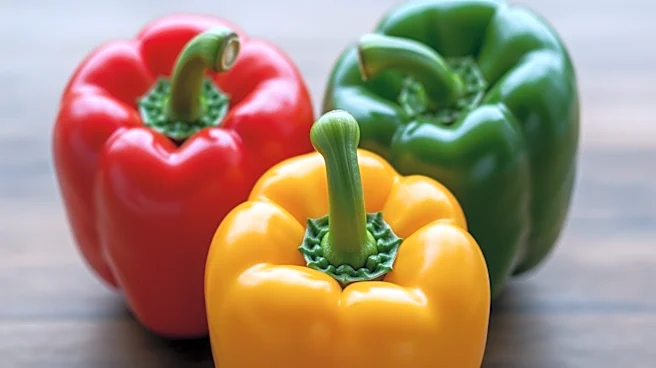


Bell peppers, a member of the Capsicum annuum species, are unique in the world of peppers due to their lack of capsaicin, the compound responsible for the heat in other peppers. This absence of spiciness makes them a popular choice for those who prefer milder flavors. In this article, we explore the botanical and genetic traits that set bell peppers apart from their spicy relatives.
Botanical Classification
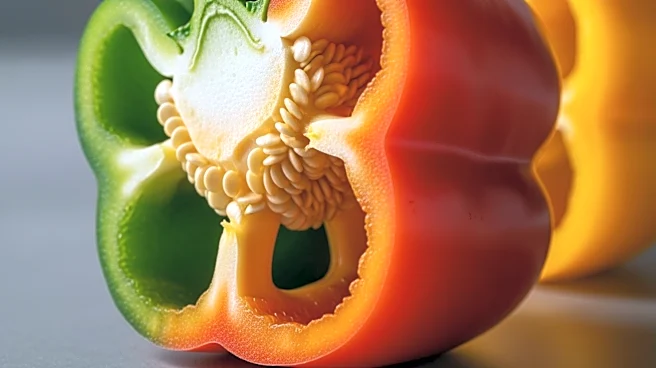
Botanically, bell peppers are classified as fruits, specifically berries,
despite their common use as vegetables in cooking. They belong to the Grossum Group of the Capsicum annuum species, which includes a variety of pepper cultivars. Unlike other members of the Capsicum genus, bell peppers do not produce capsaicin, the chemical that causes a burning sensation in spicy peppers.
The lack of capsaicin in bell peppers is due to a recessive gene that eliminates the compound. This genetic trait places bell peppers at the lowest level of the Scoville scale, which measures the heat of peppers. As a result, bell peppers are often grouped with other non-spicy varieties as "sweet peppers."
Genetic Variations
The genetic makeup of bell peppers allows for a wide range of colors and flavors. The absence of capsaicin is a result of a specific genetic variation, but other genetic factors contribute to the diversity seen in bell pepper cultivars. For example, the Mexibelle pepper is a hybrid variety that produces small amounts of capsaicin, giving it a mildly pungent taste.
Conversely, a mutant strain of habanero has been bred to create a heatless version called the 'Habanada.' These genetic variations demonstrate the flexibility and adaptability of the Capsicum annuum species, allowing for a wide range of pepper types with different flavors and heat levels.
Cultivation and Production
Bell peppers thrive in warm, moist soil with temperatures ranging from 70 to 84 °F. They are native to Mexico, Central America, the Caribbean, and northern South America. The seeds were first brought to Spain in 1493 and subsequently spread throughout Europe and Asia.
In 2020, global production of bell peppers reached 36 million tonnes, with China leading the production, followed by Mexico, Indonesia, and Turkey. The widespread cultivation of bell peppers highlights their popularity and versatility in various cuisines around the world.